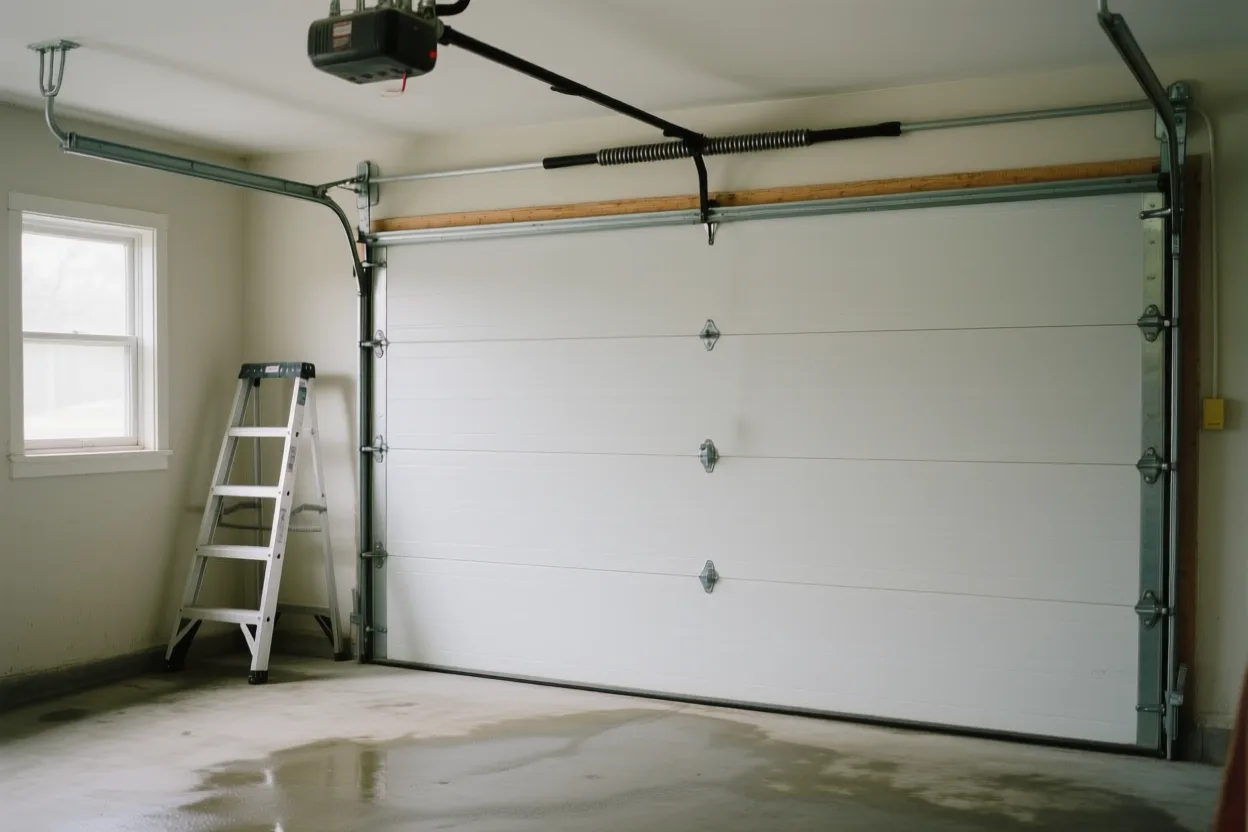
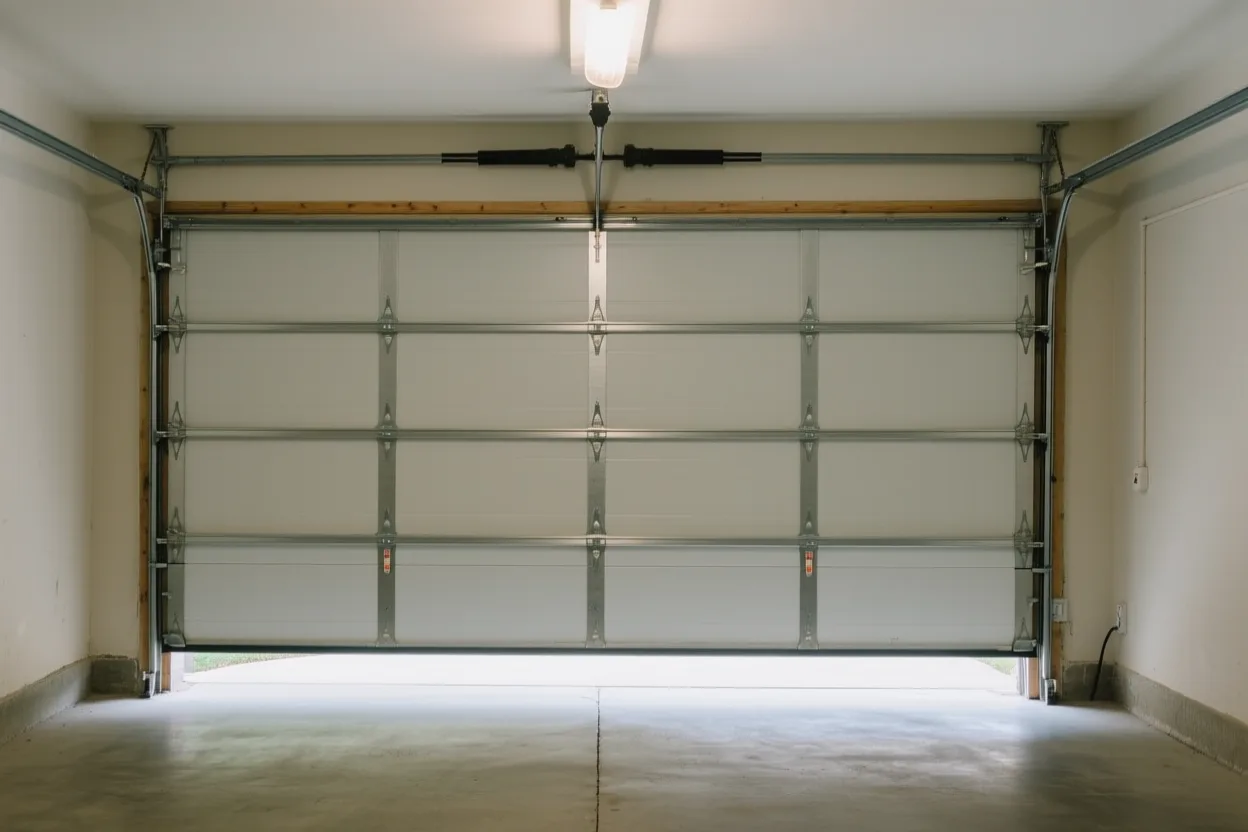
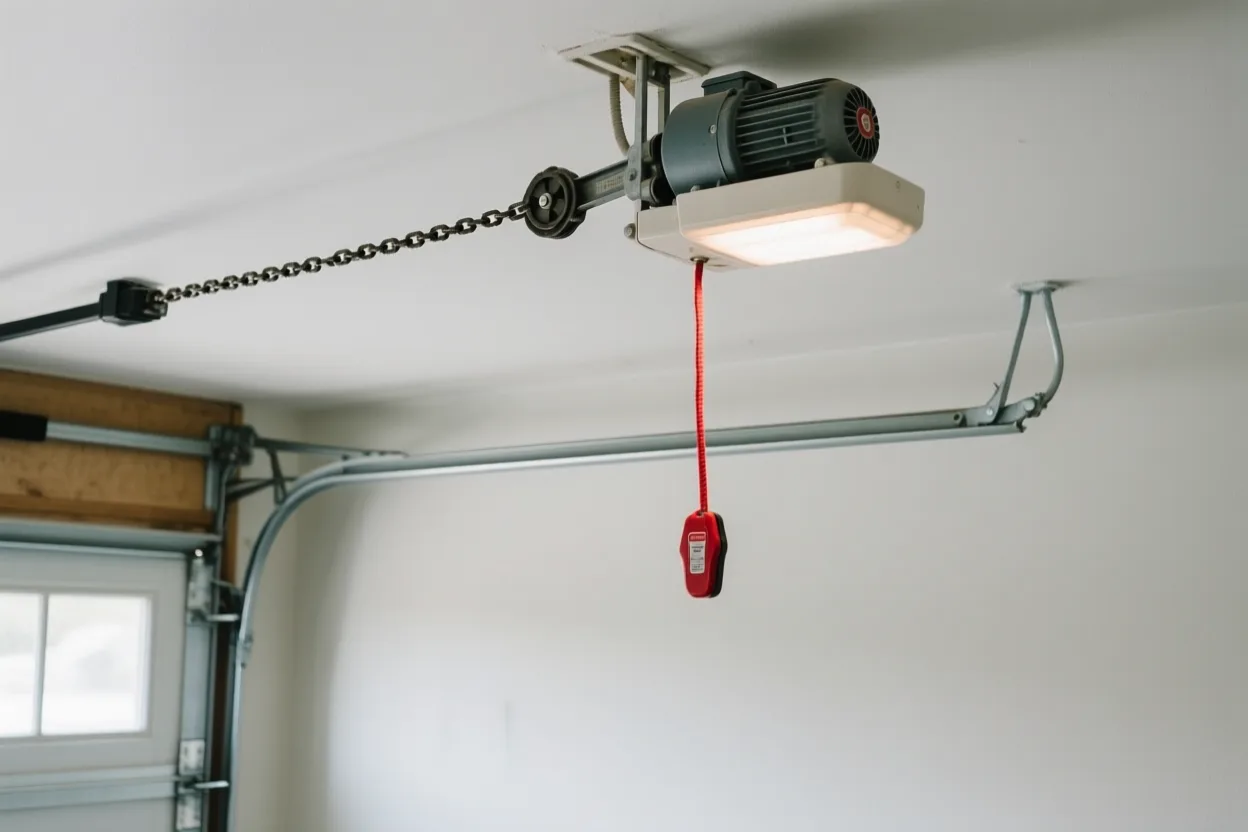
The spring is the muscle of the door. Your opener is not lifting the door's weight, the springs are; the opener just controls the motion. When a spring breaks, you hear it: a bang from the garage like a dropped pipe, and then a door that feels like it weighs as much as it actually does, which is a lot.
How you know it is the spring
A loud bang from the garage with no obvious cause, then the door will not open or struggles
The door opens a few inches and stops, or the opener strains and reverses
The door falls fast when you try to lift it manually, instead of staying balanced halfway up
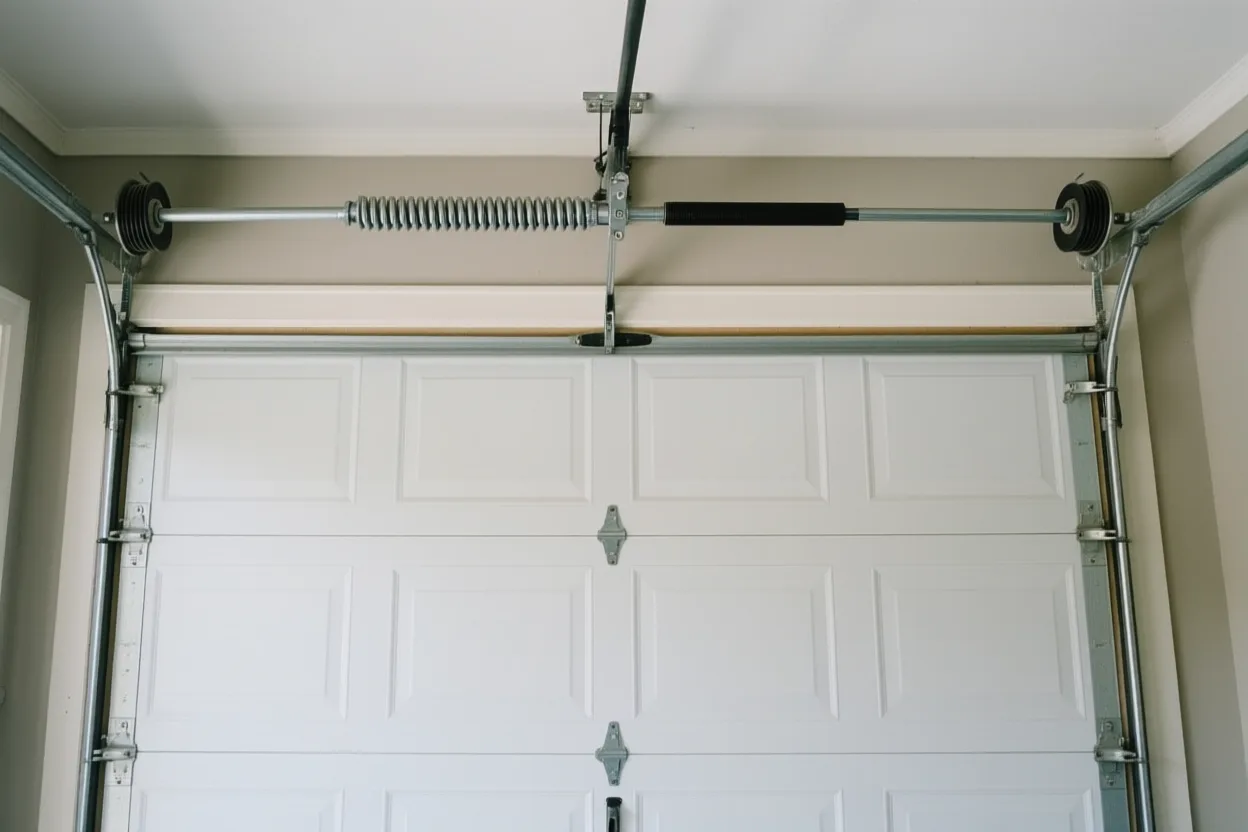
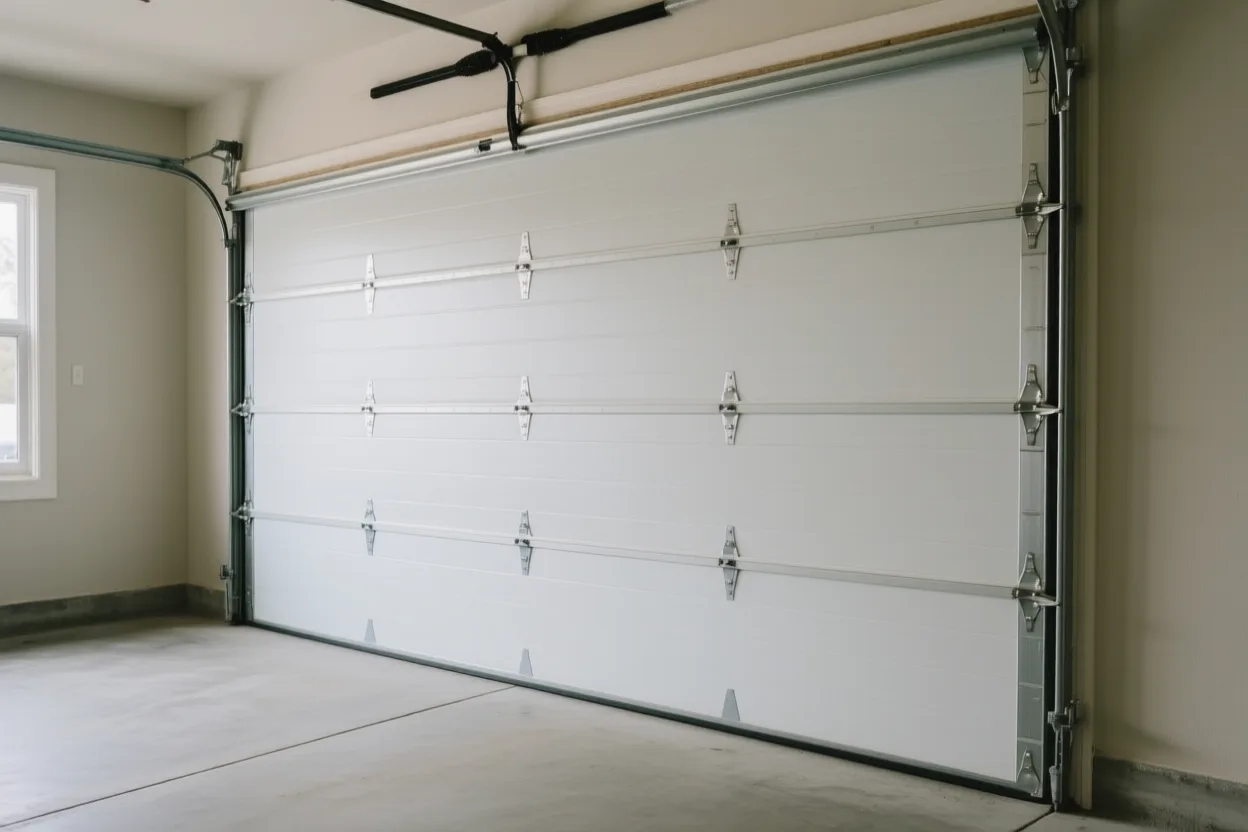
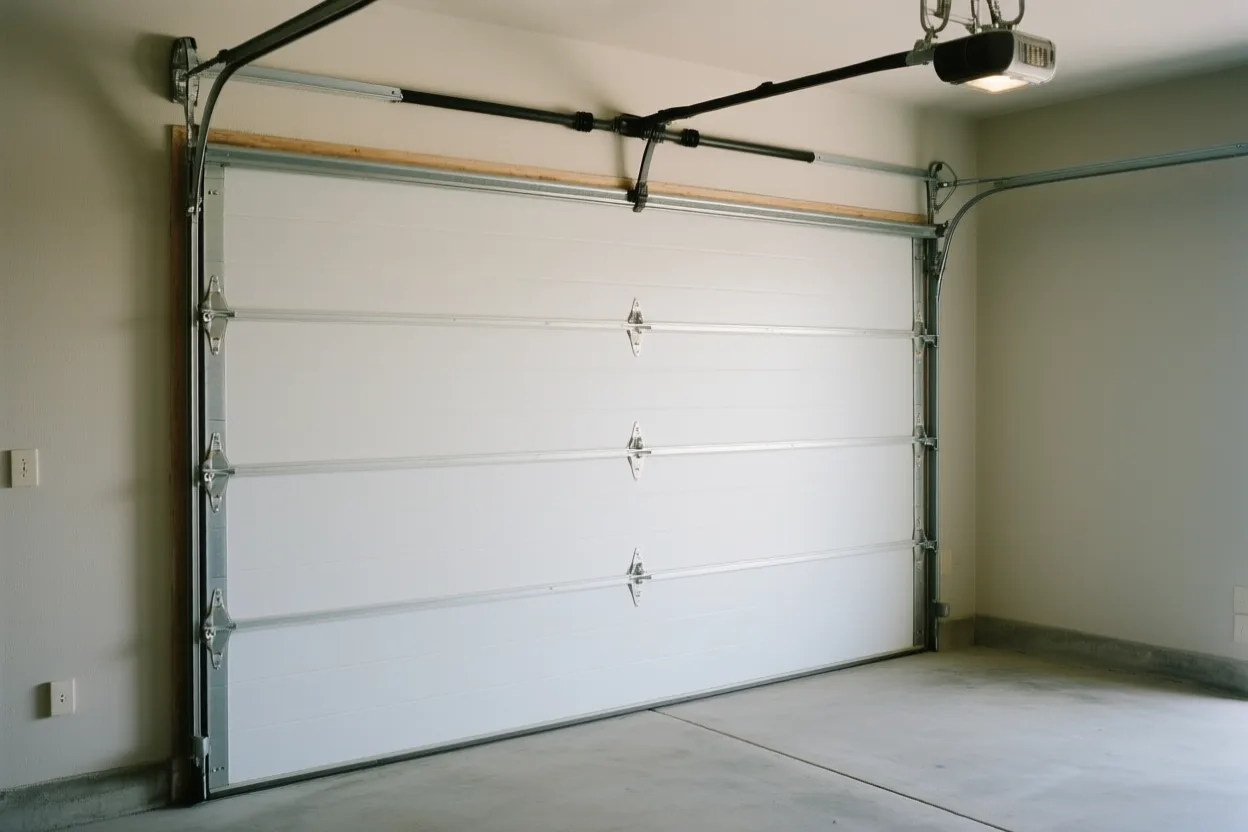
A visible gap or separation in the spring above the door on a torsion setup
Why you replace both
Springs are rated in cycles, and both springs on a two-spring door have lived the same number of opens and closes. When one goes, the other is behind by weeks, not years. Replacing both in one visit costs less than a second service call in a month, and any decent tech recommends it for that reason alone.
The safety question
Torsion springs hold serious energy. Winding or unwinding them without the right bars and technique is one of the more dangerous jobs on a house; a bar that slips can take fingers. This is the one repair that is genuinely worth leaving to a pro, not because the job is mysterious but because the injury risk is real.
What the visit looks like
Measure the door and spring, wind out the broken one, install the matched replacement, balance the door so it stays at any height, and test the full cycle. A door that does not stay balanced after a spring swap is not done, and a tech who leaves it that way should hear about it.