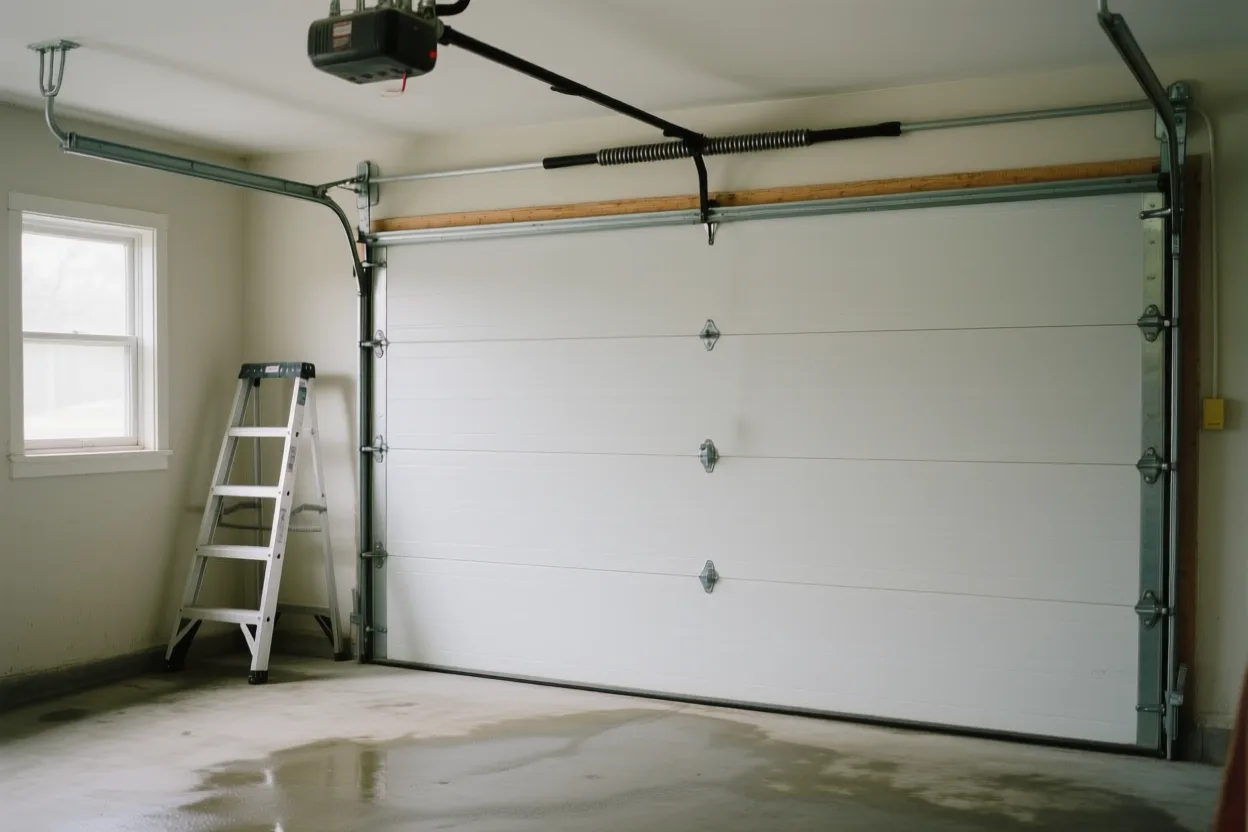
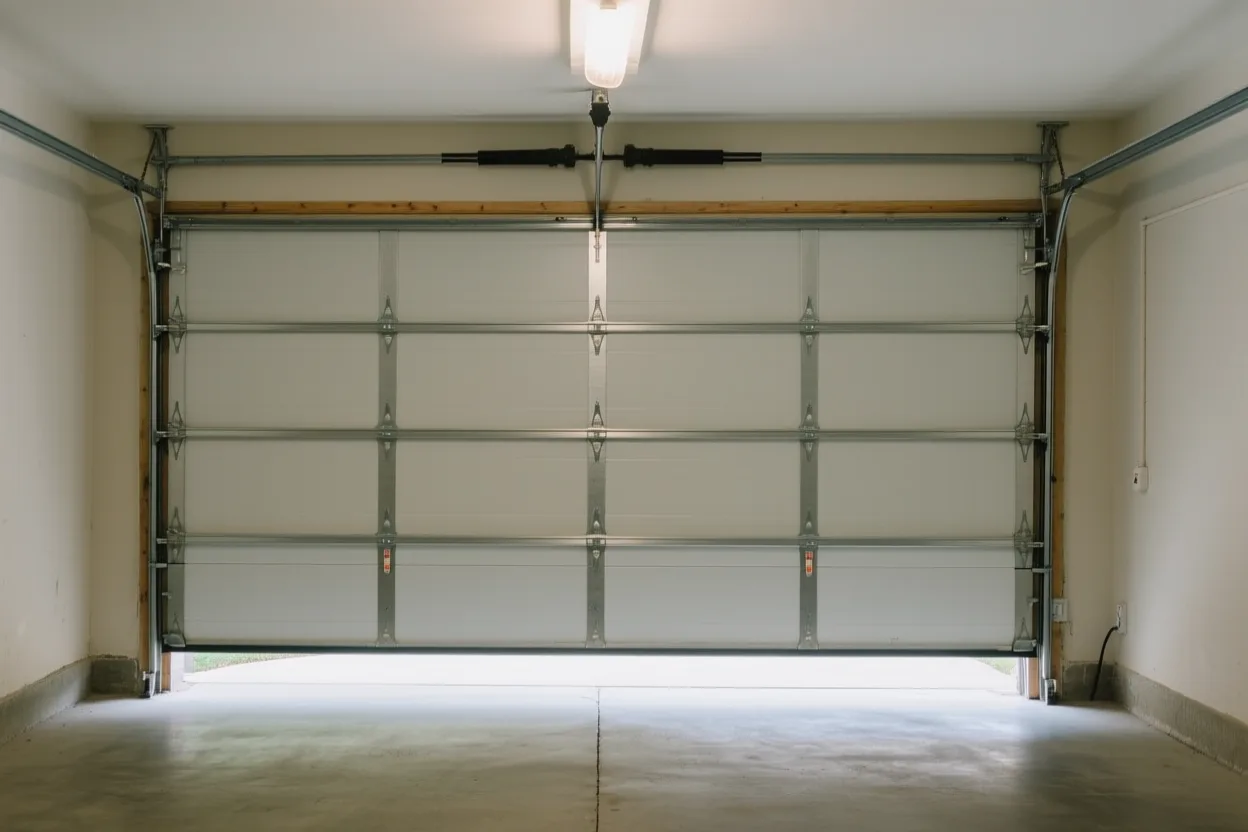
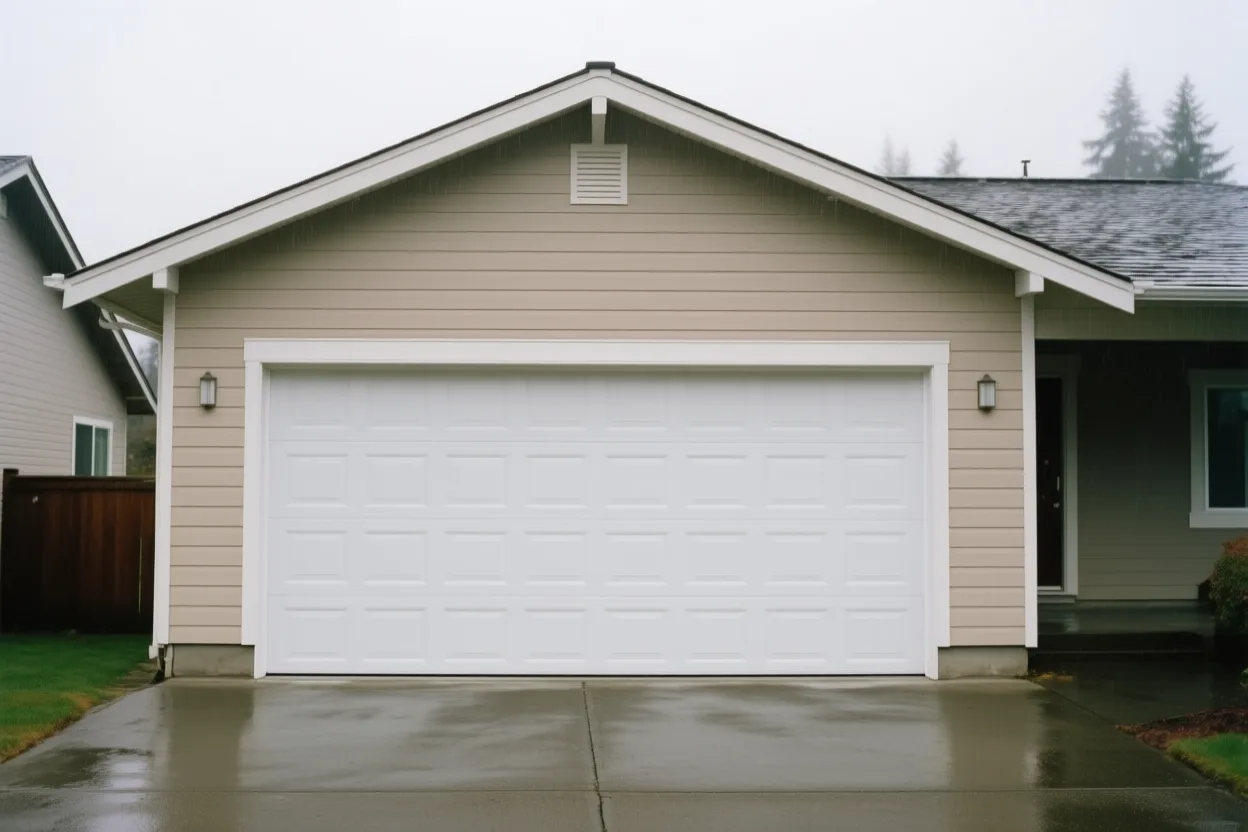
A garage door is one of the most used and least maintained machines on the property. It runs hundreds of cycles a year through wet winters and cold snaps, and most of its failures are preventable with an hour of attention annually. A tune-up is not glamorous work, but it is what keeps the springs, rollers, and opener from wearing out early and stranding you at the worst time.
What a real tune-up covers
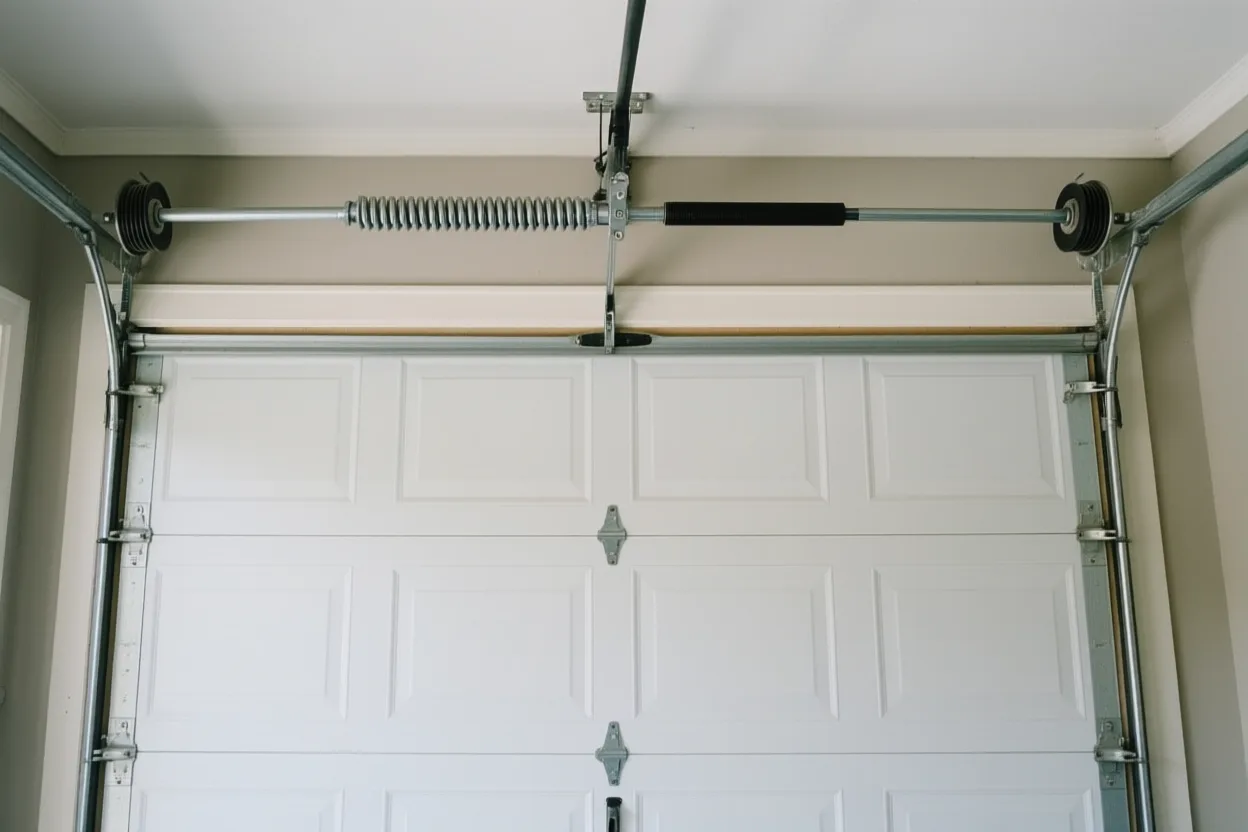
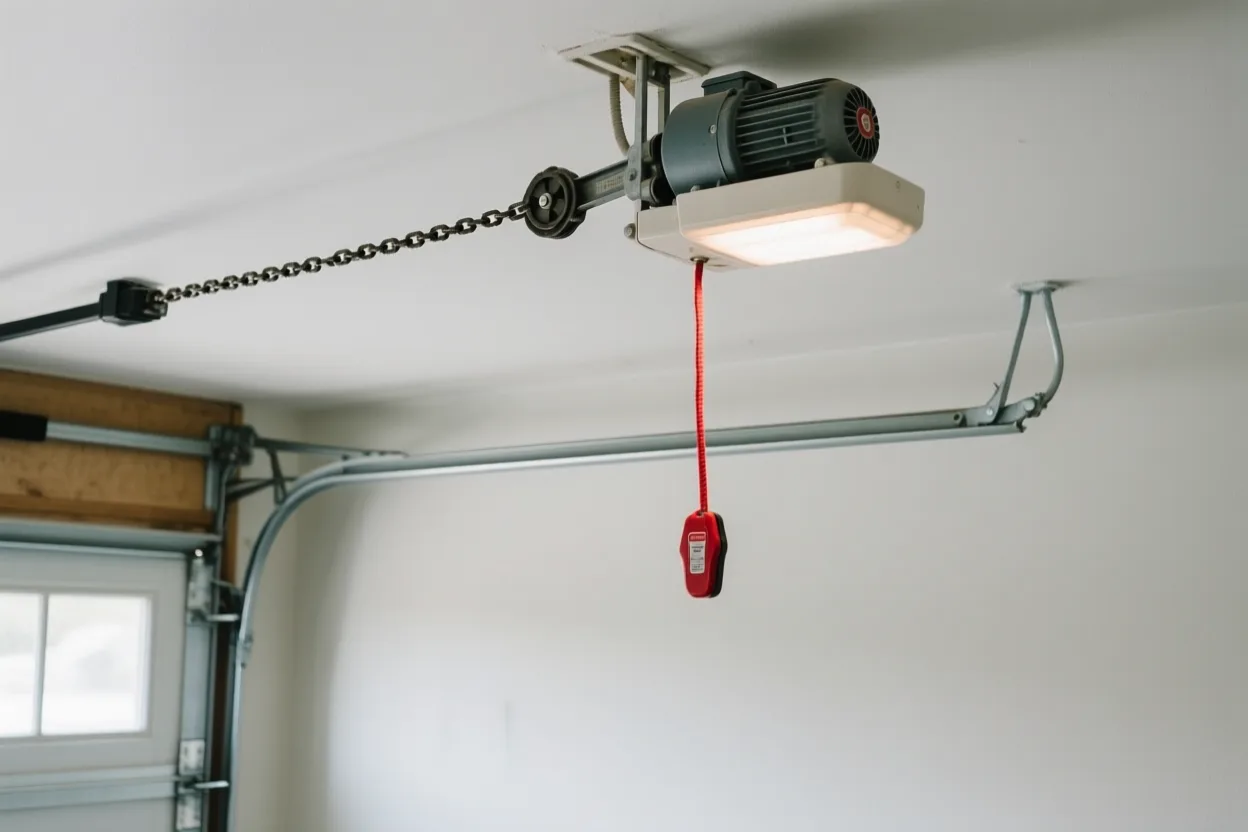
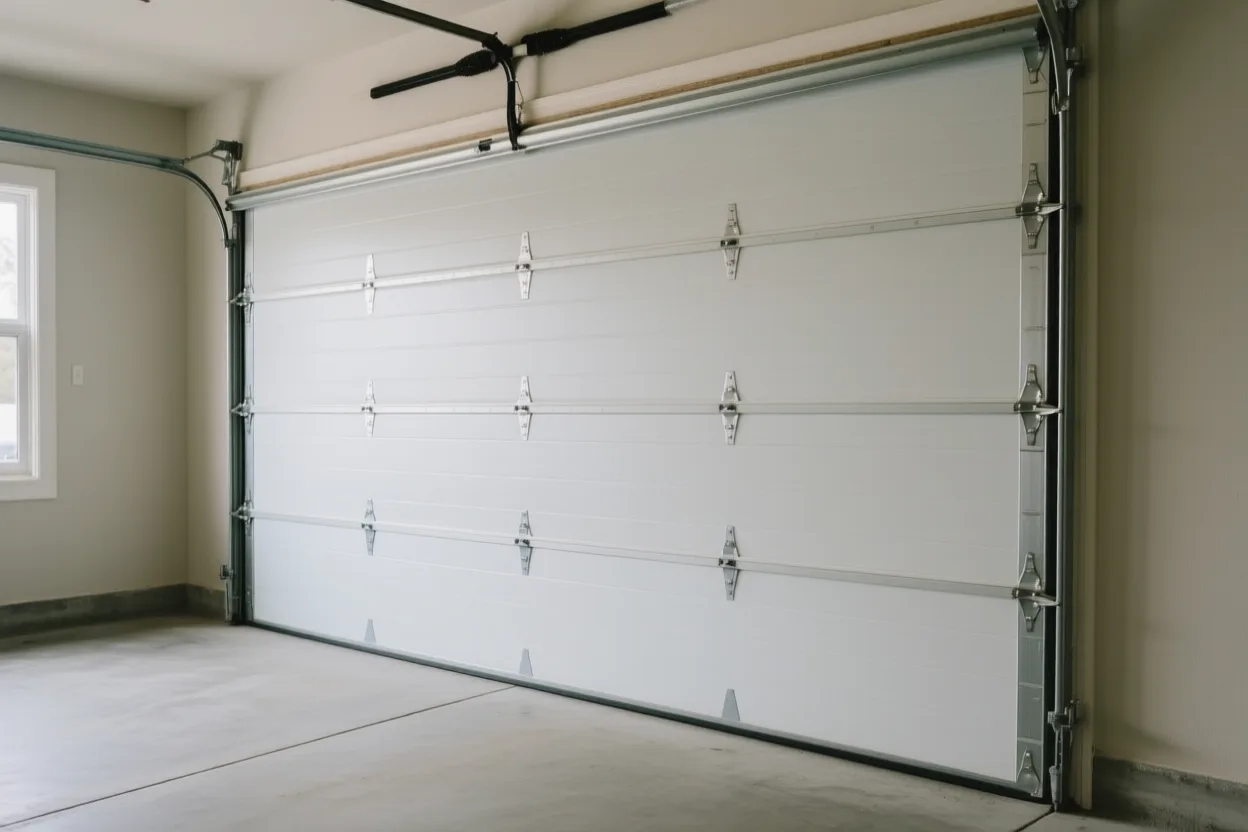
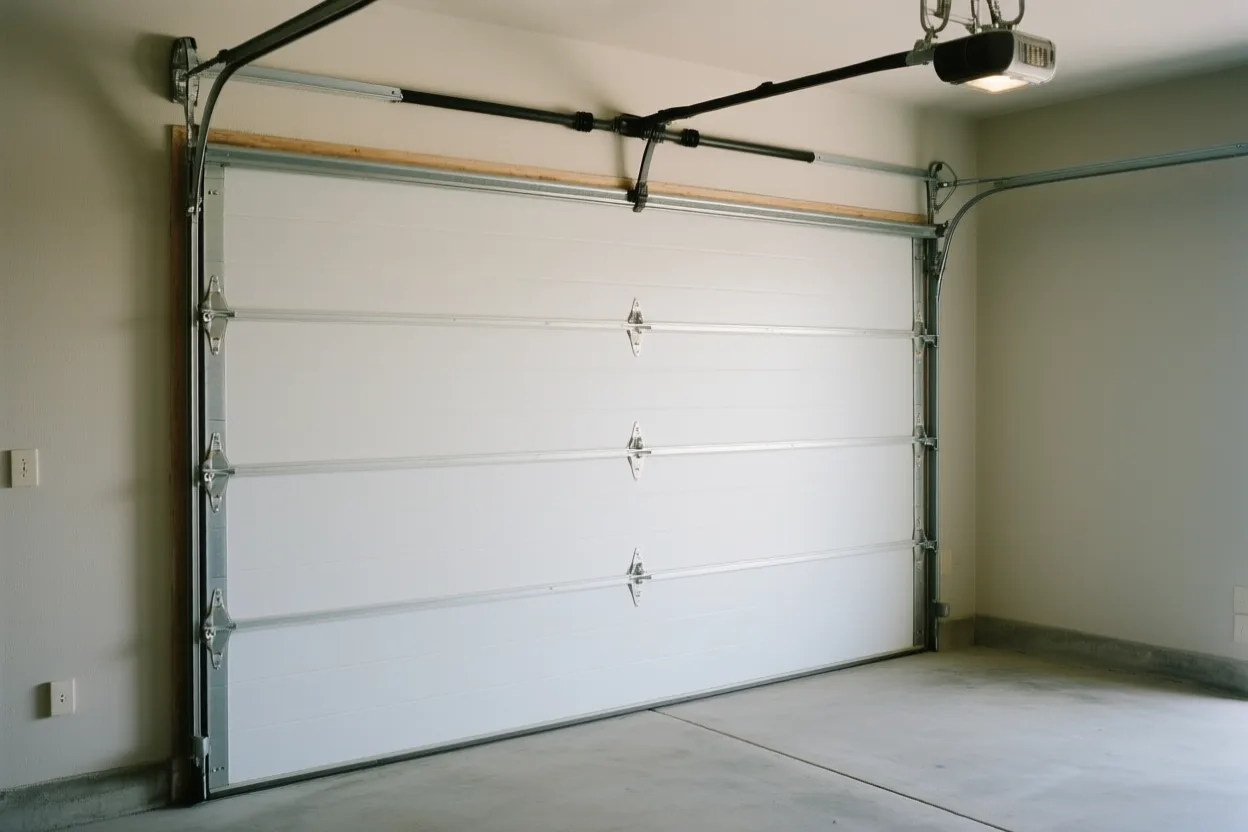
Lubrication, springs, rollers, hinges, and the opener drive; dry metal grinds and wears
Balance test, the door should stay put at any height; an unbalanced door works the opener to death
Safety inspection, photo-eye sensors aligned and working, auto-reverse tested
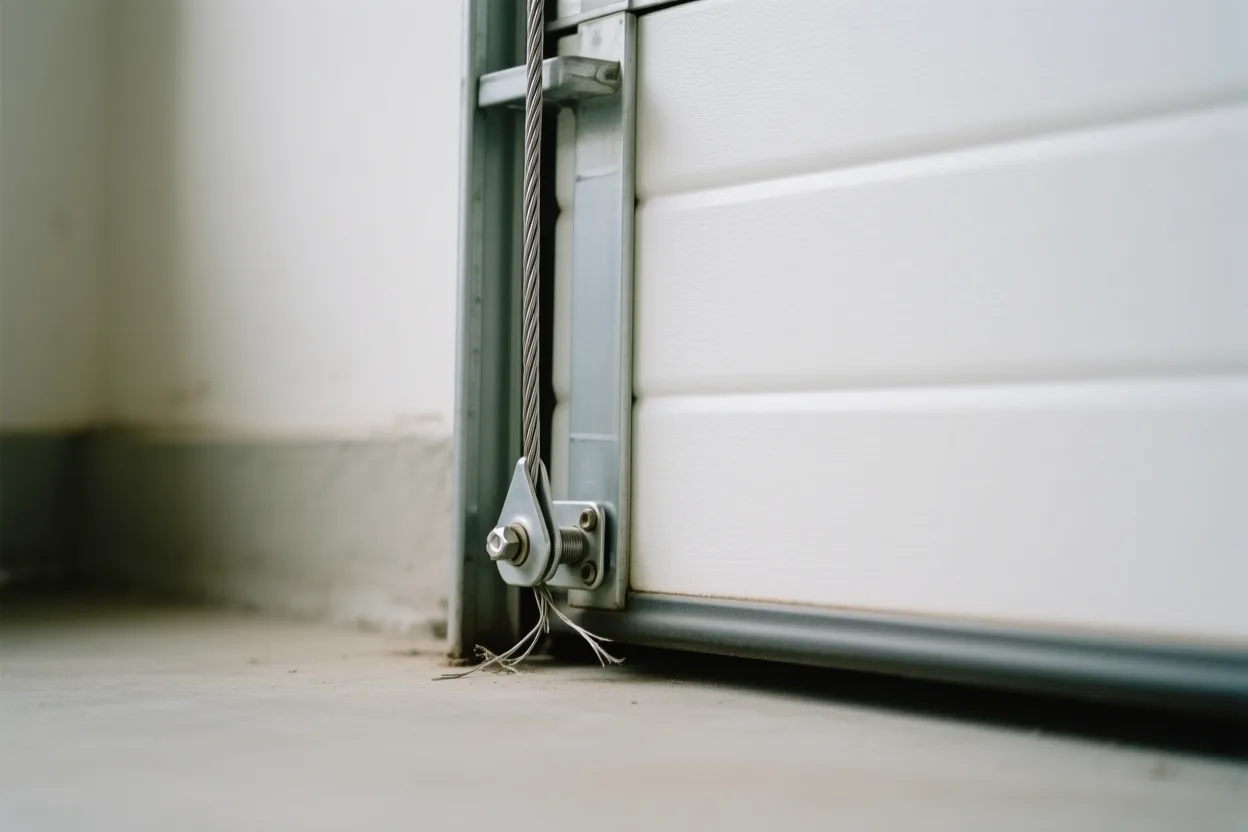
Hardware check, loose track bolts, worn roller stems, frayed cable strands, and spring condition
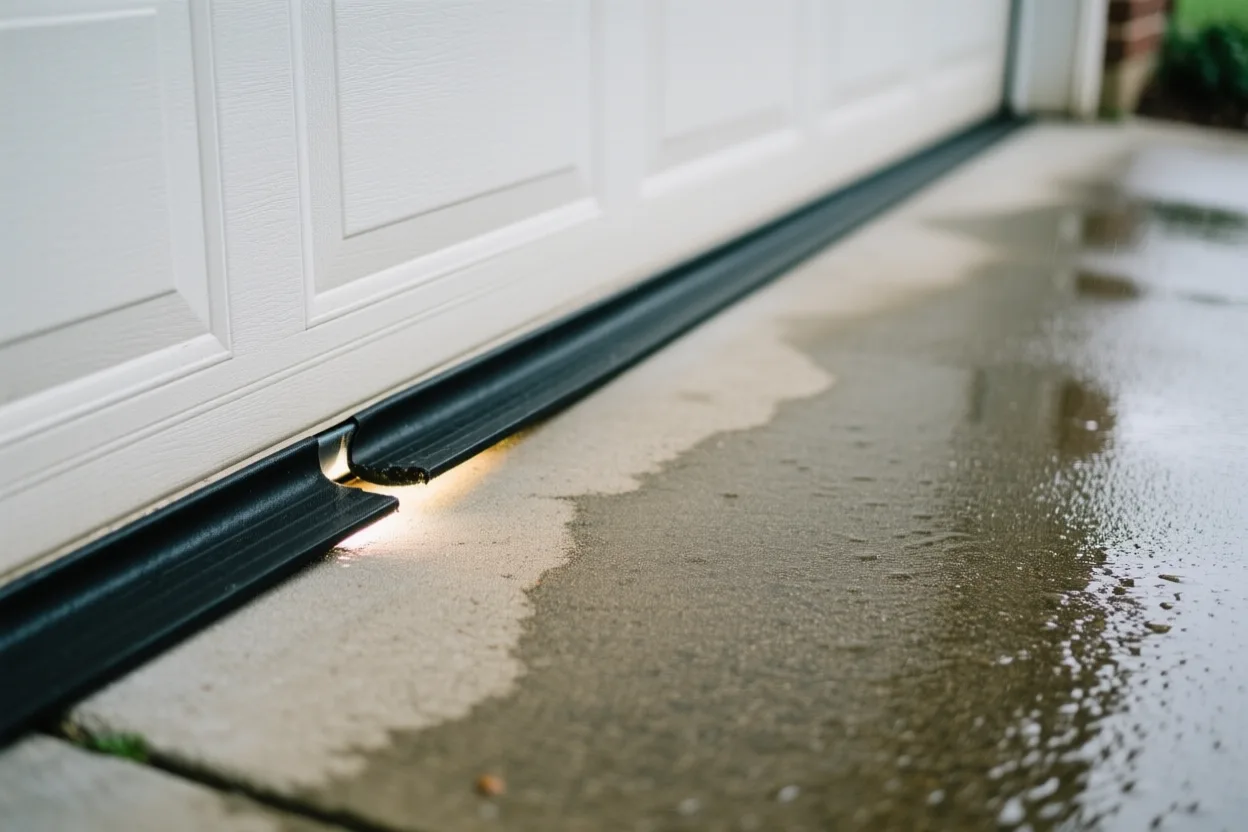
Weather seal look, the bottom seal and perimeter seals that keep the wet out
Why it pays for itself
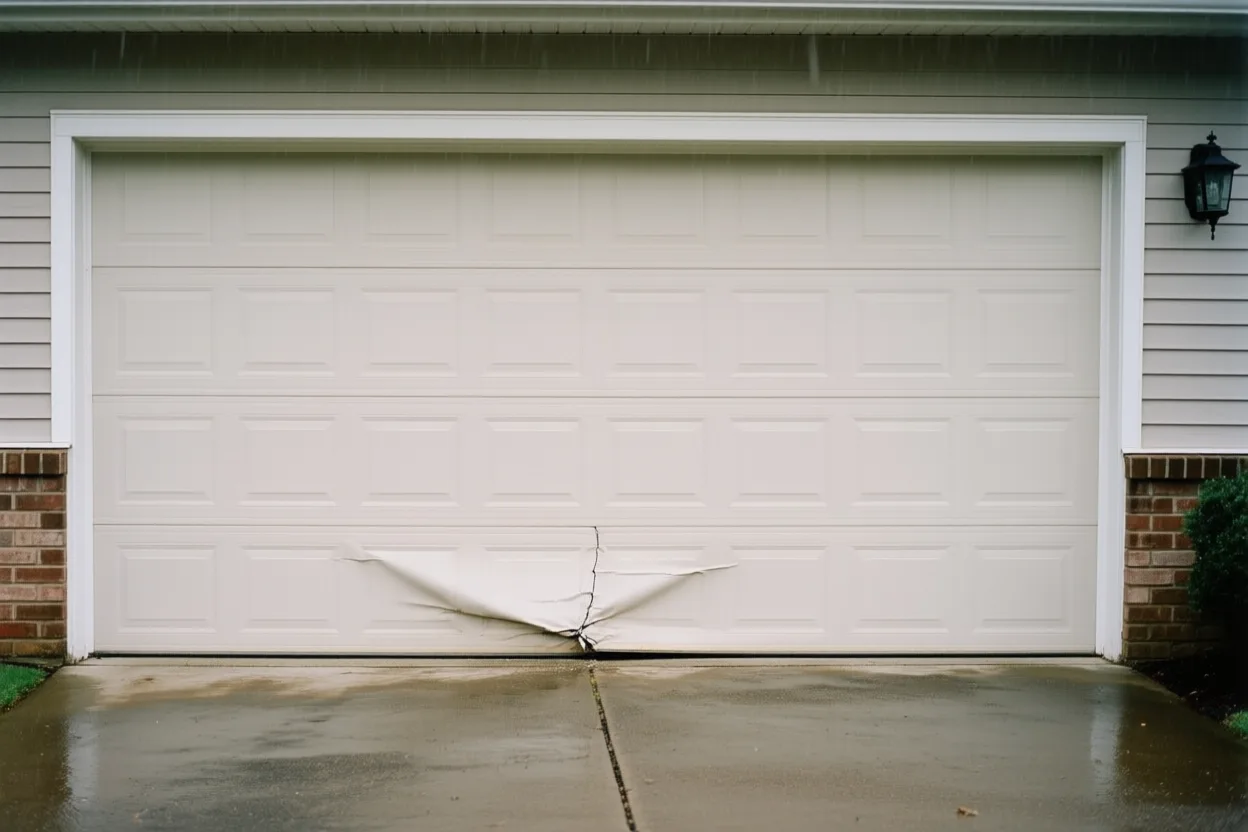
A spring that is going to break in six months gets caught as a recommendation, not an emergency call at eight in the morning. A frayed cable gets replaced before it snaps and takes the door out of its tracks. Small wear that is cheap to address now becomes the expensive version if it is left to fail. The tune-up is the difference between scheduled maintenance and surprise repair.
How often it is worth doing
Annually is the right interval for most doors, and more often on high-cycle doors or anything over ten years old. In a climate that rusts hardware and swells wood trim, the fall is the smart time, before the wettest months arrive.
What you can do yourself
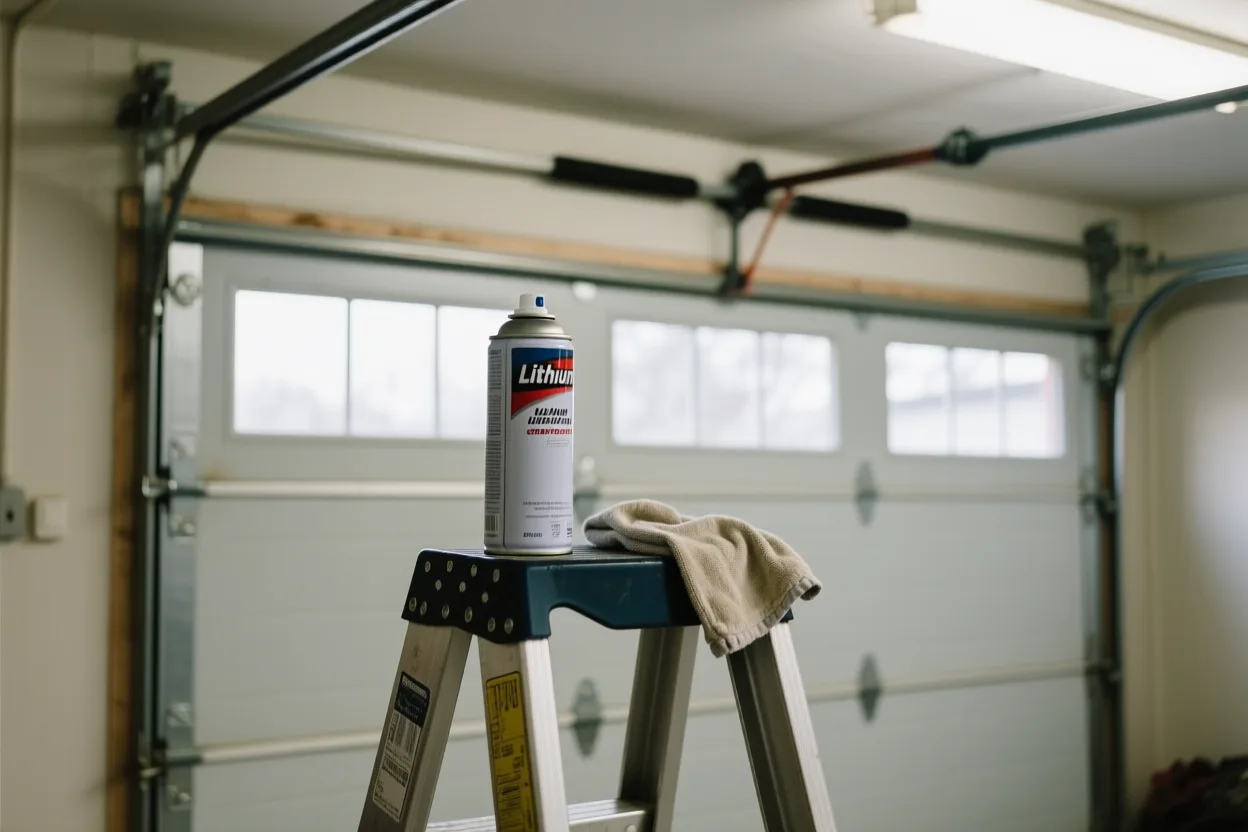
The lubrication is genuinely DIY-friendly: a silicone or lithium spray on the springs, hinges, and rollers a couple times a year is half the benefit of the service call. The balance test and the spring work are what you pay a pro for, and the sensor alignment is where DIY jobs go wrong when someone bumps a photo eye and calls it good.