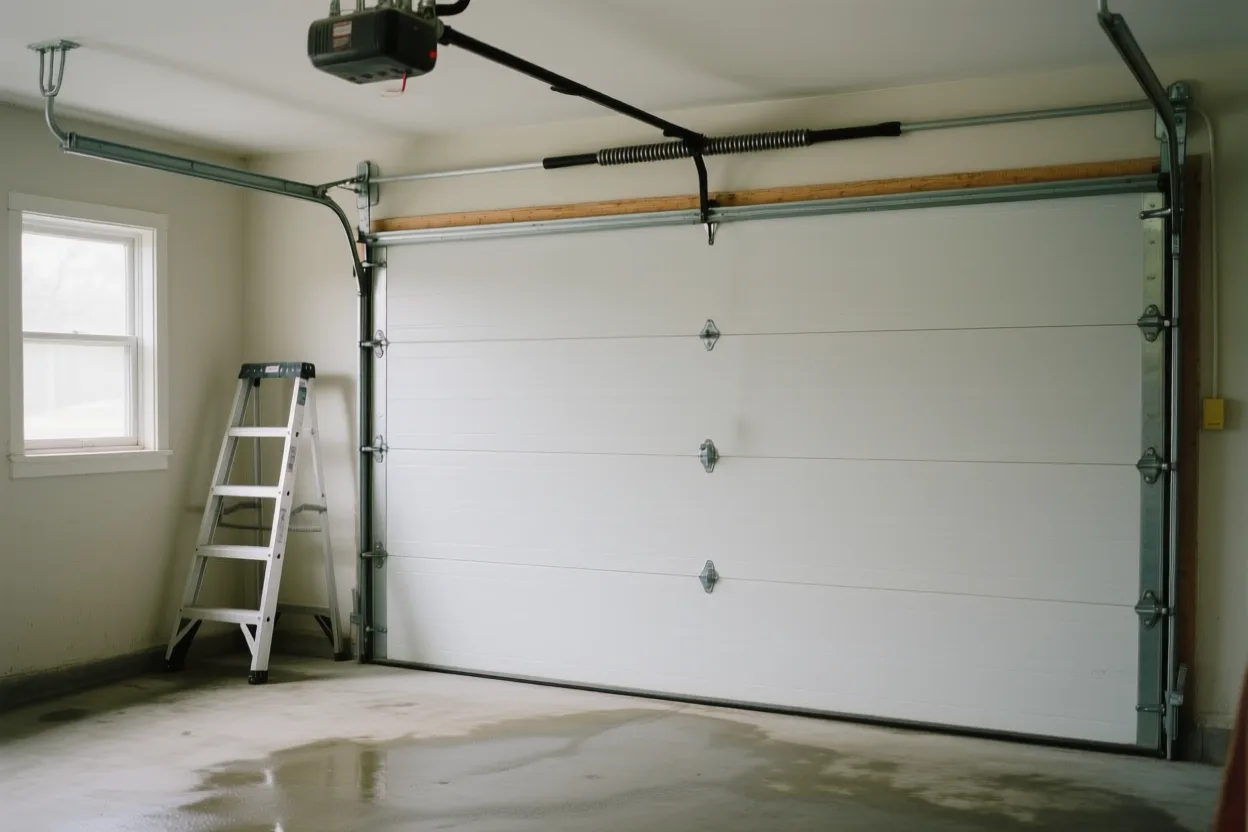
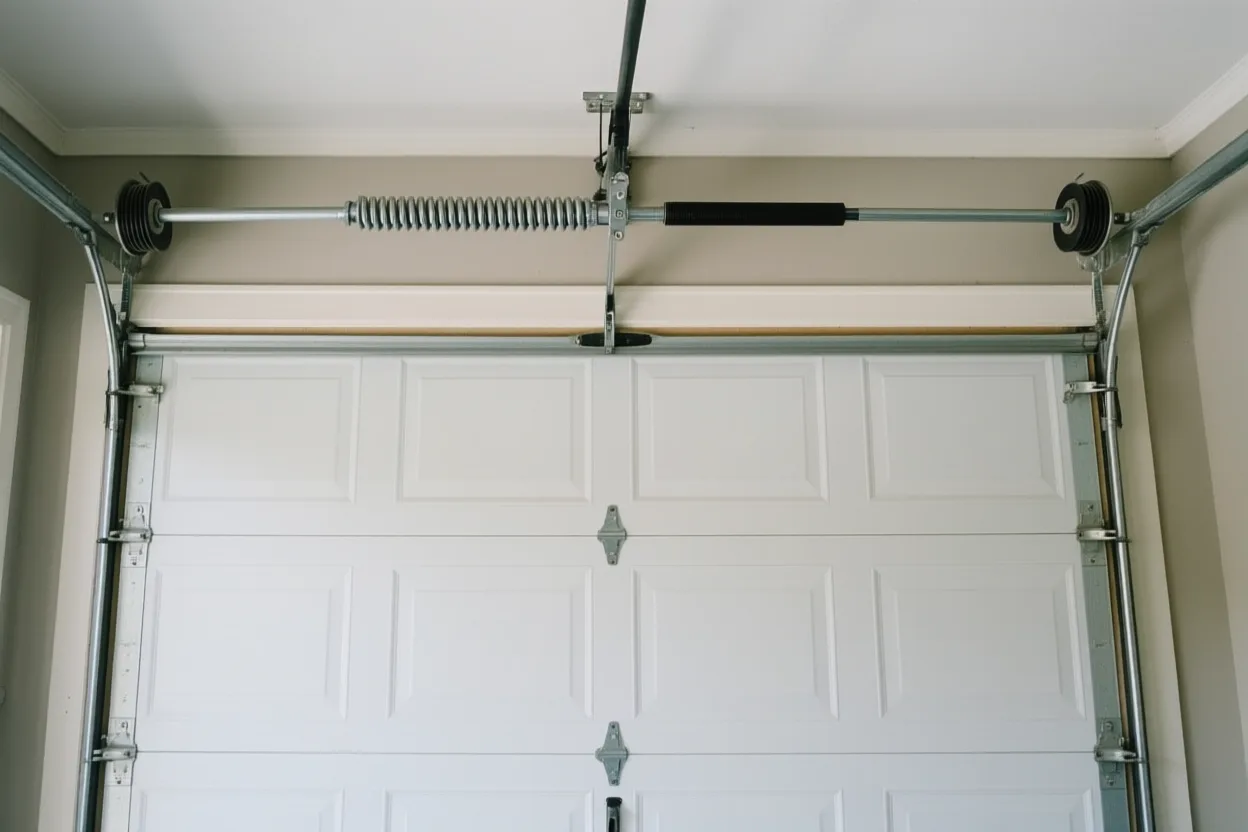
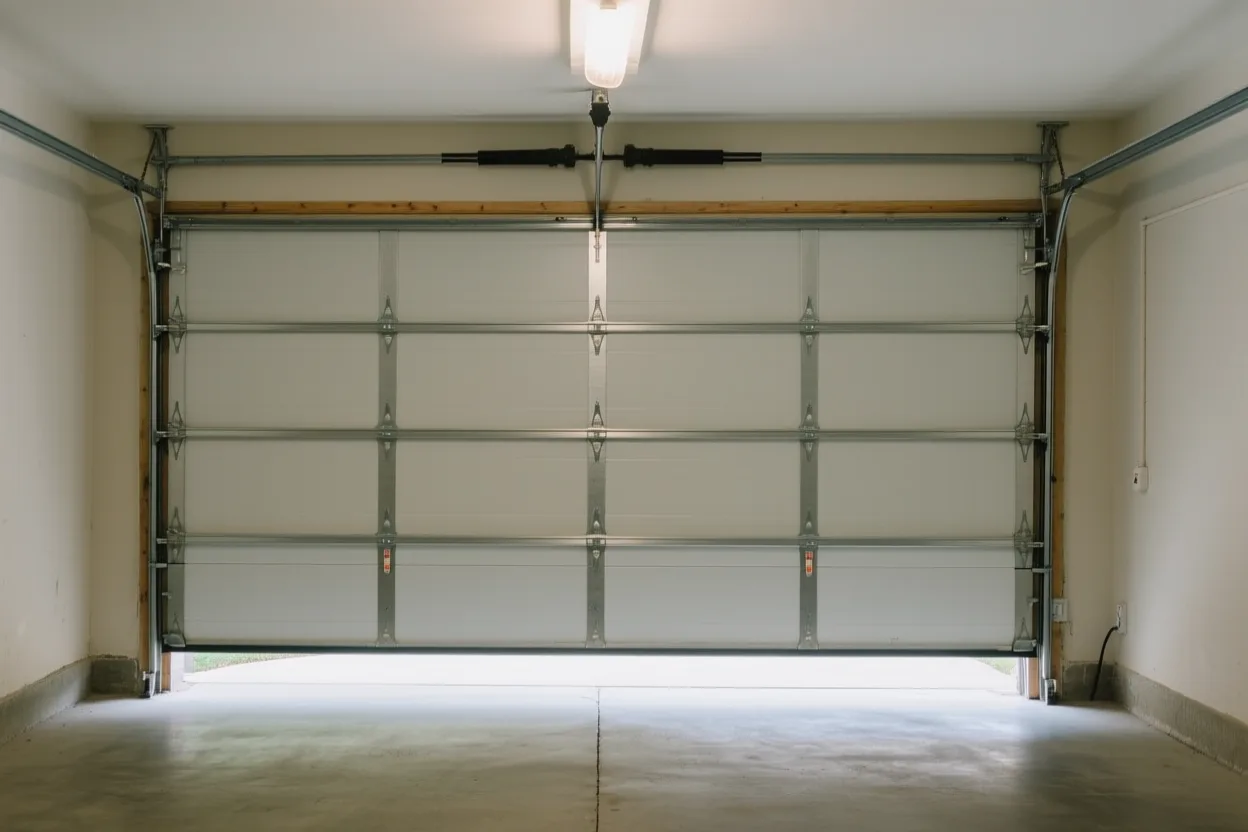
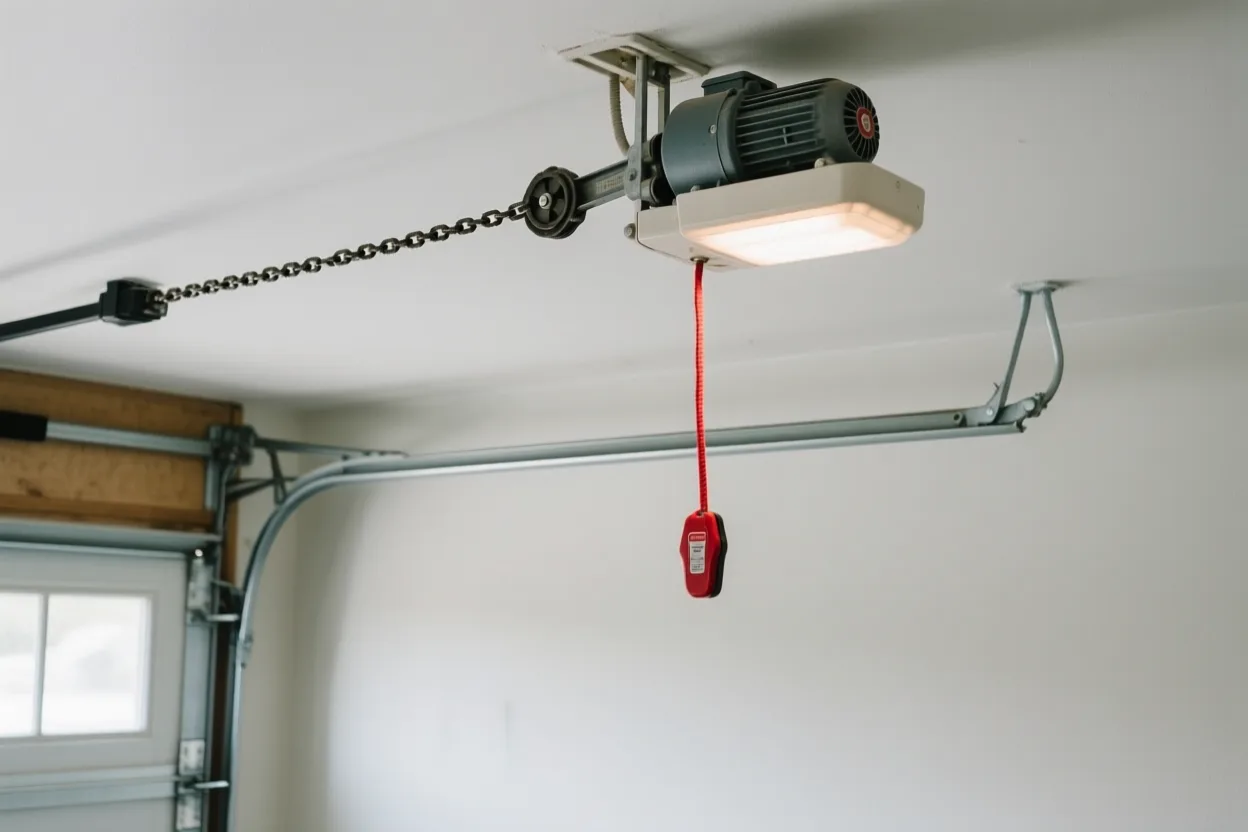
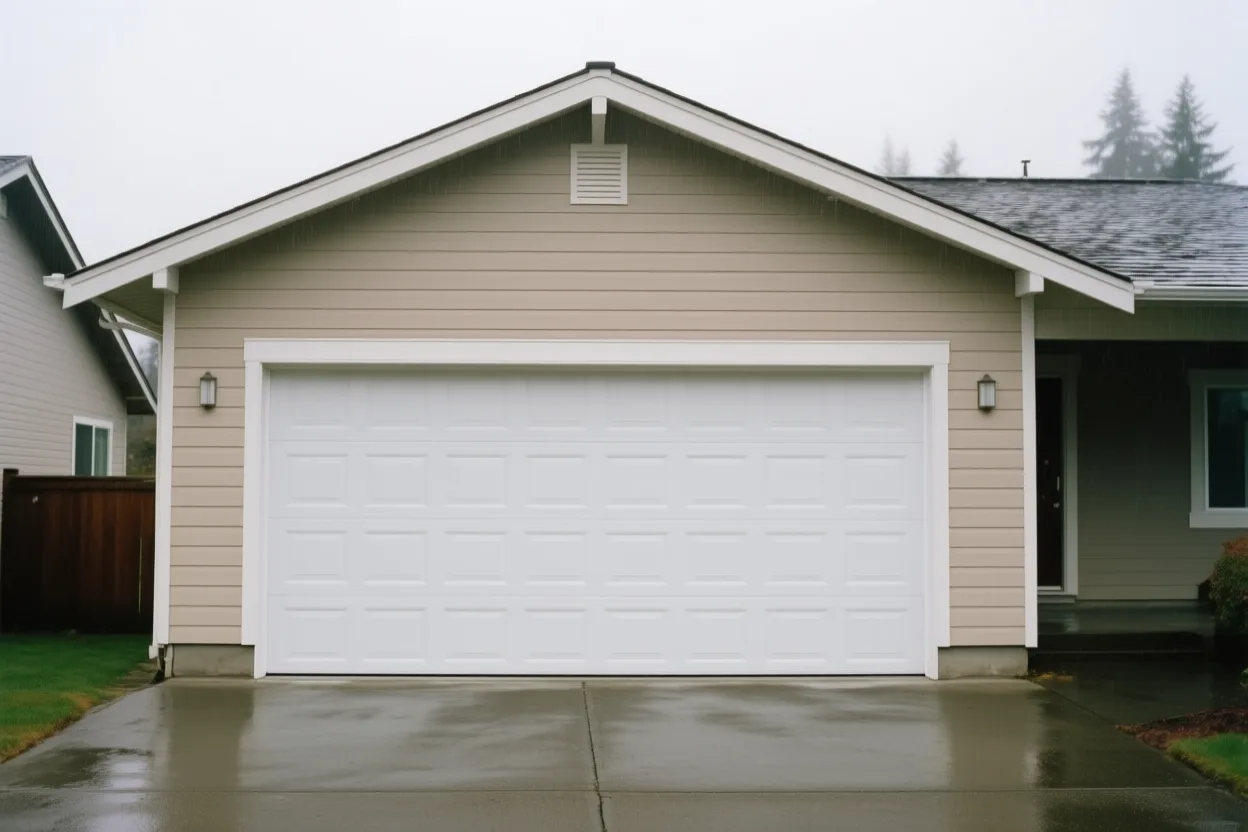
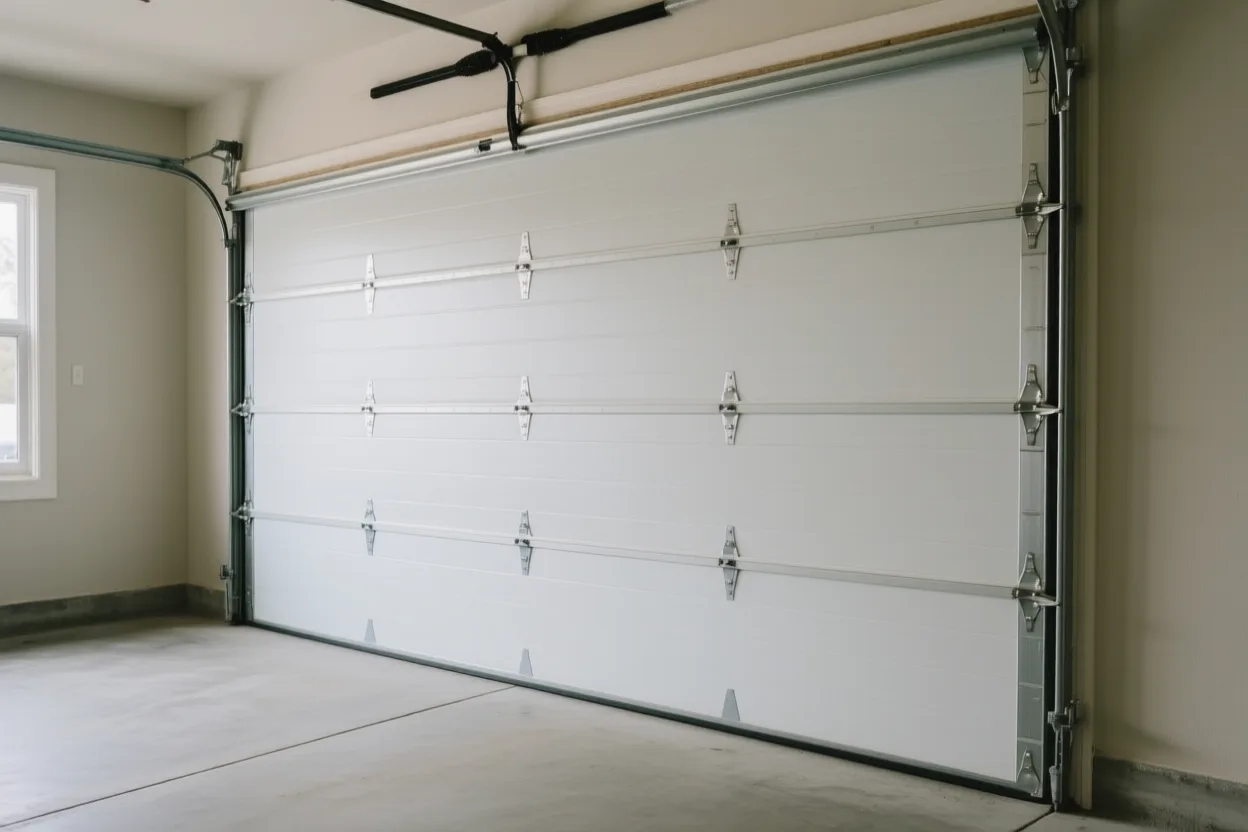
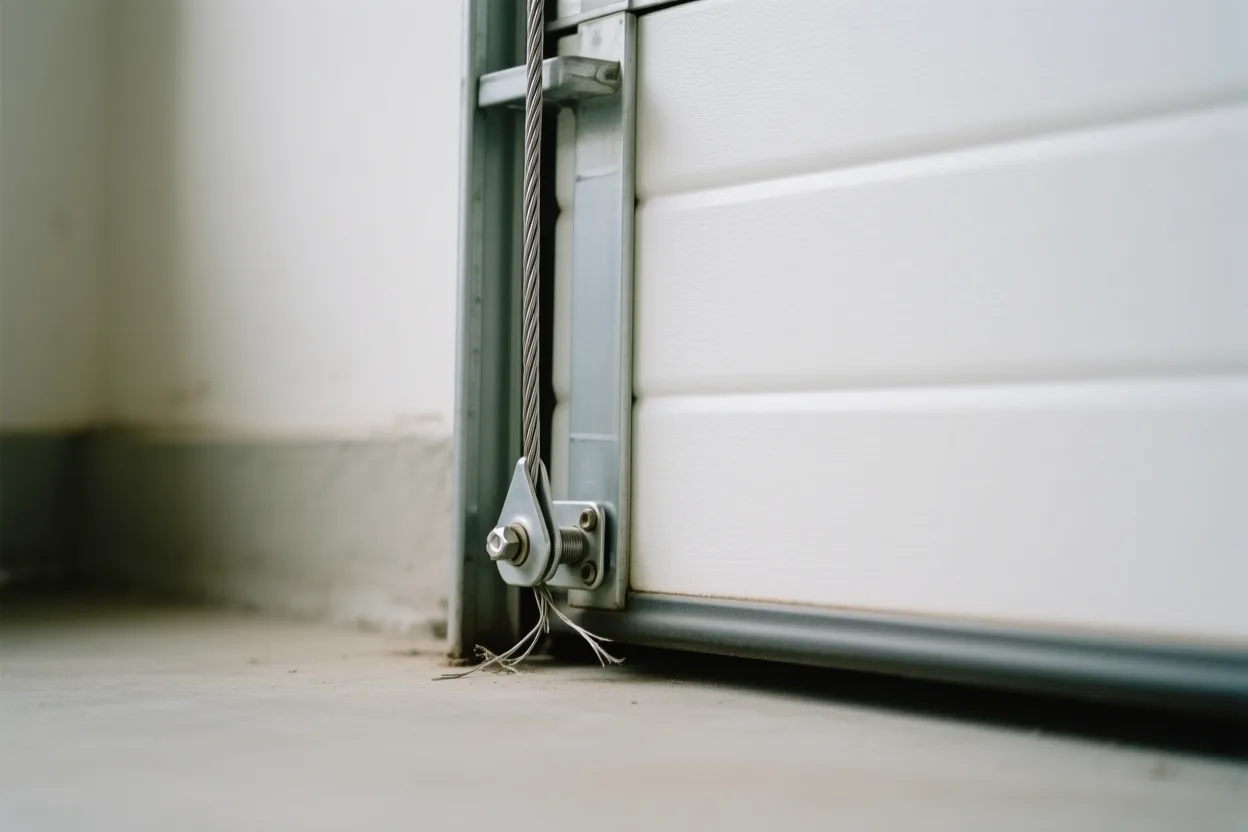
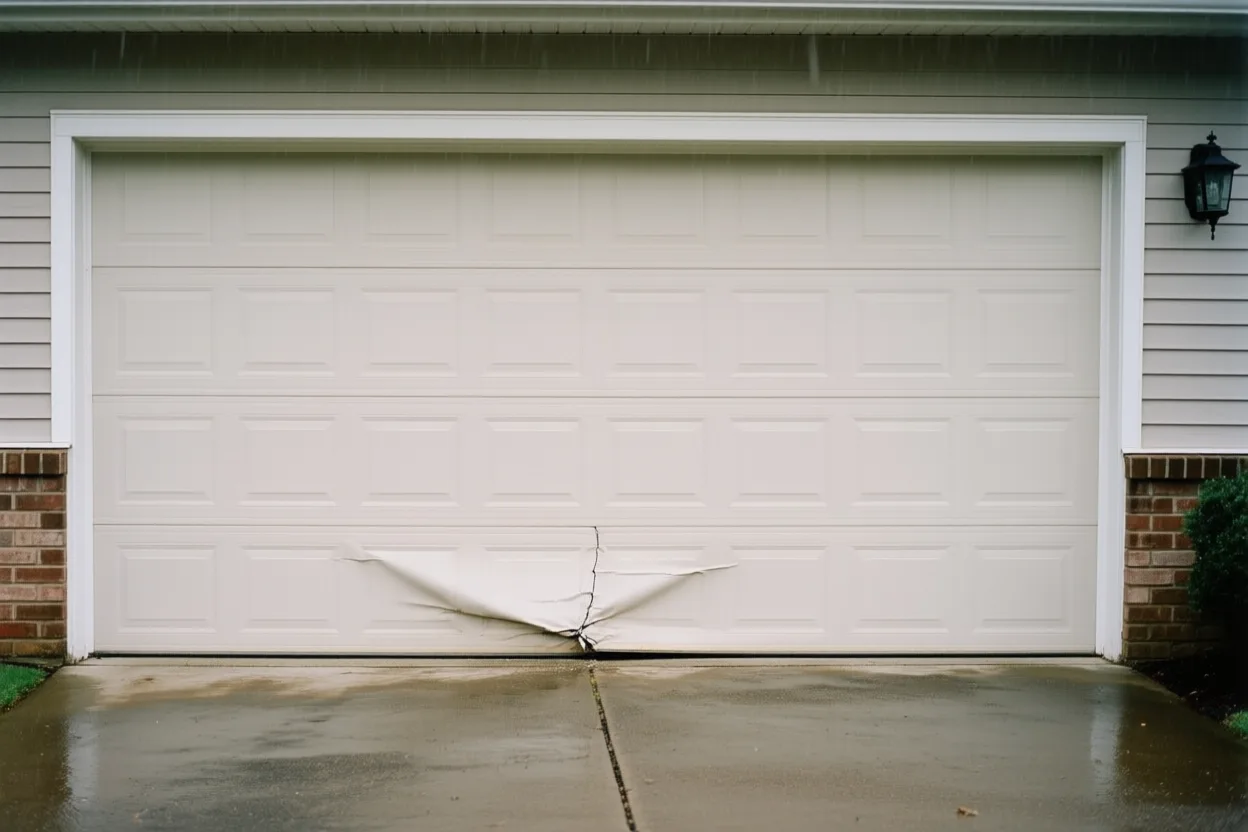
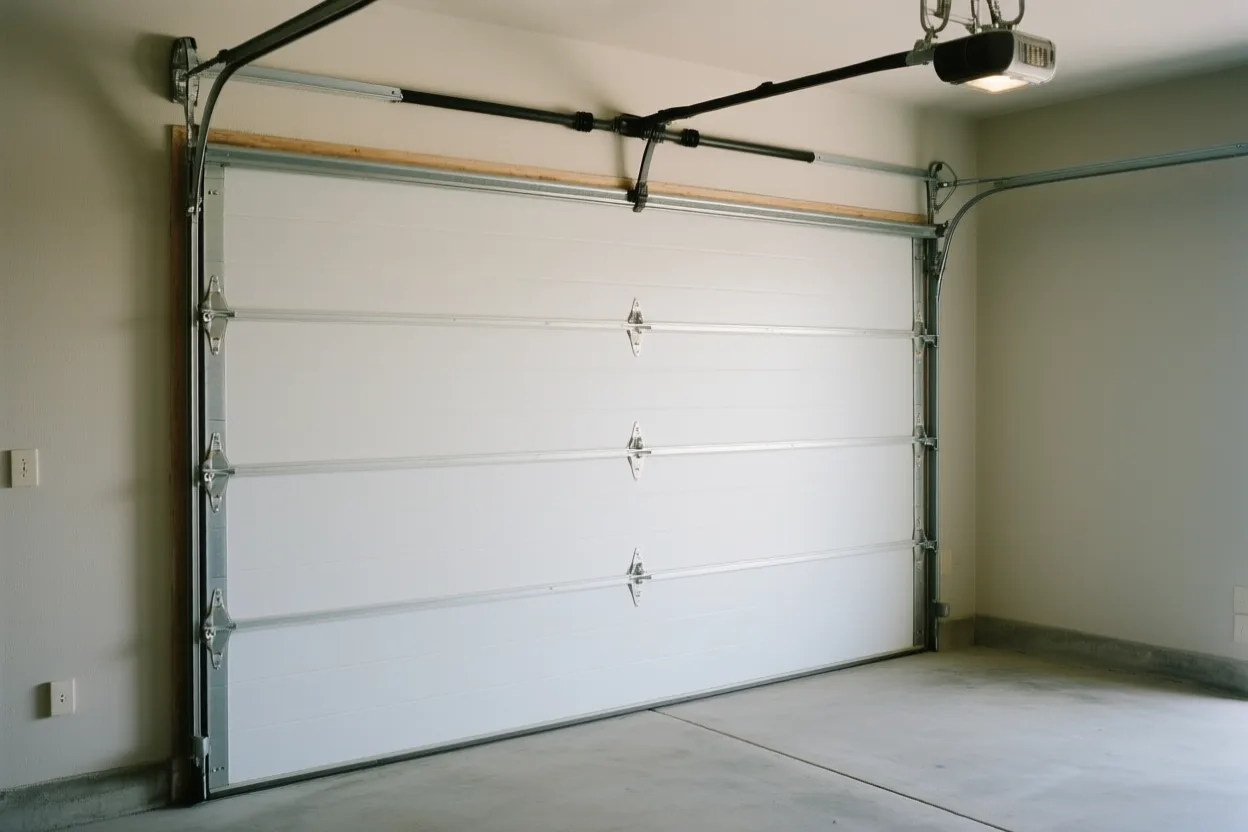
A garage door is the largest moving object on the house and the one most people ignore until it stops working. Most service calls trace back to the same handful of failures: a broken torsion spring, a stripped opener gear, a frayed cable, a door jumped off its track, or rollers so worn the door rattles the whole house on the way up.
The usual failures
Torsion spring break, the loud bang from the garage and a door that suddenly weighs a hundred pounds
Opener problems, dead motor, stripped drive gear, bad logic board, or a safety sensor knocked out of alignment
Cables, frayed or snapped, and the door hangs crooked or jams sideways
Off-track doors, rollers popped out of the track from an obstruction or a hit
Worn rollers and hinges, the slow grind of noise and vibration that precedes bigger failures
Damaged panels, from a vehicle bump or weather, sometimes cosmetic, sometimes structural
Why the symptom is not the diagnosis
A door that will not open could be a dead spring, a dead opener, a locked track, or a car pressing the inside roller against the wall. Same button press, four different repairs at four different prices. A real diagnosis happens in front of the door, not over the phone, and a tech who quotes a firm number before looking is guessing or selling.
What should a repair quote cover?
What actually failed, whether the fix is a repair or a stopgap on a door nearing the end, the parts needed and whether they are on the truck, and the warranty on both parts and labor. On an older door an honest quote says plainly how much life the repair buys, because putting springs on a door that needs rollers, cables, and a panel is money spent twice.