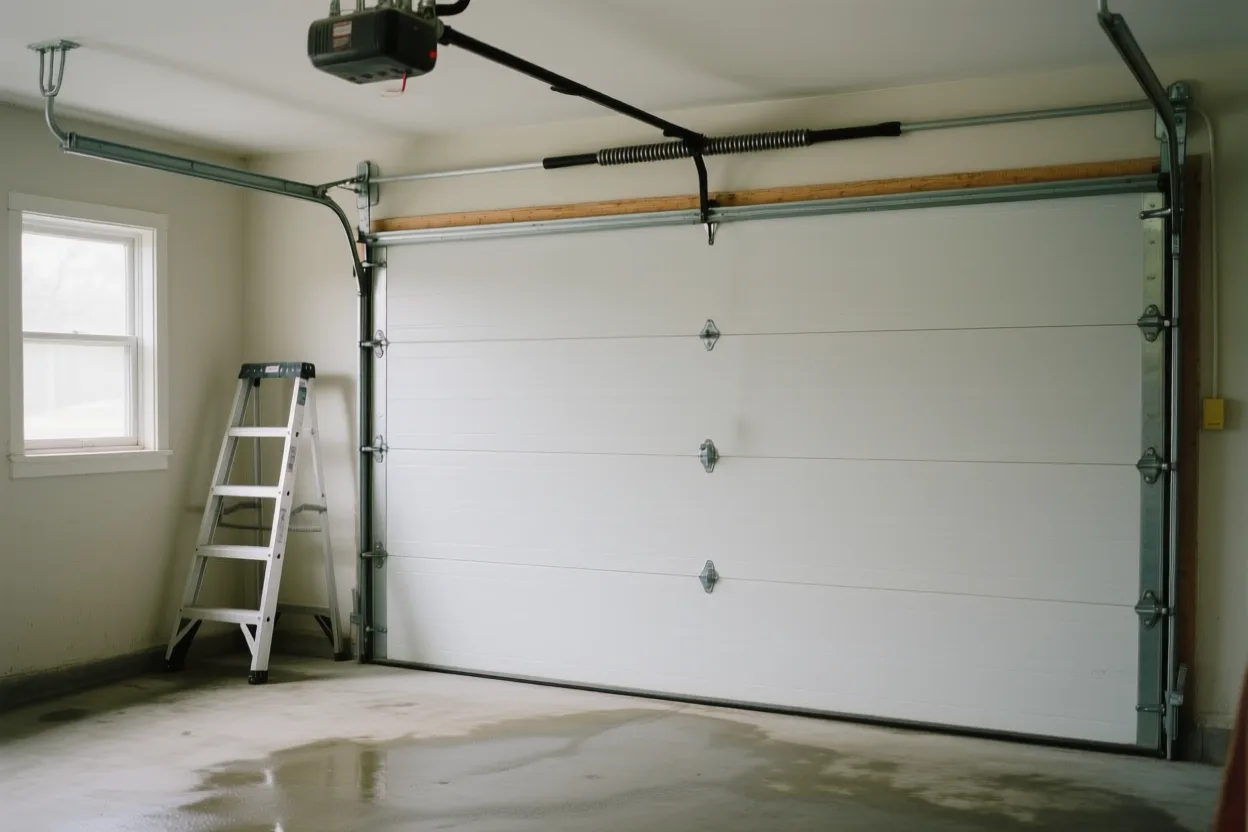
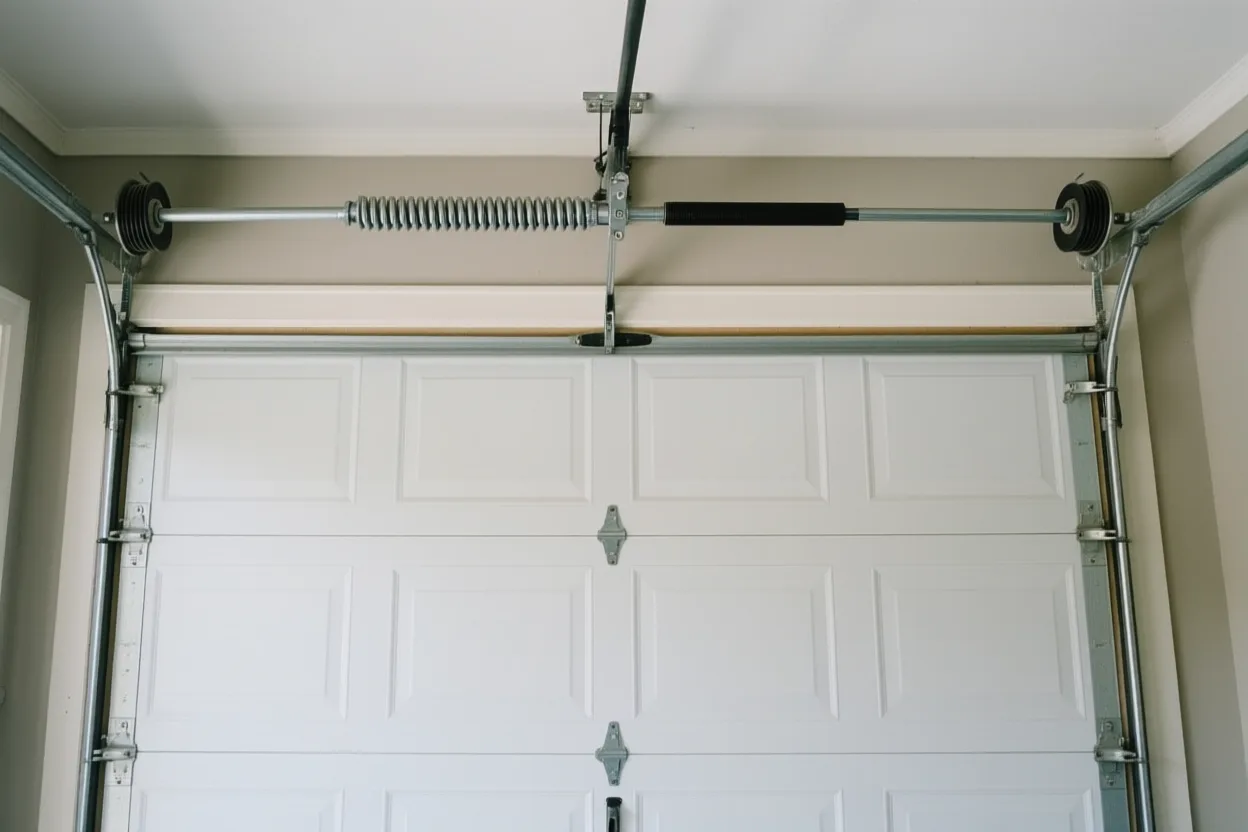
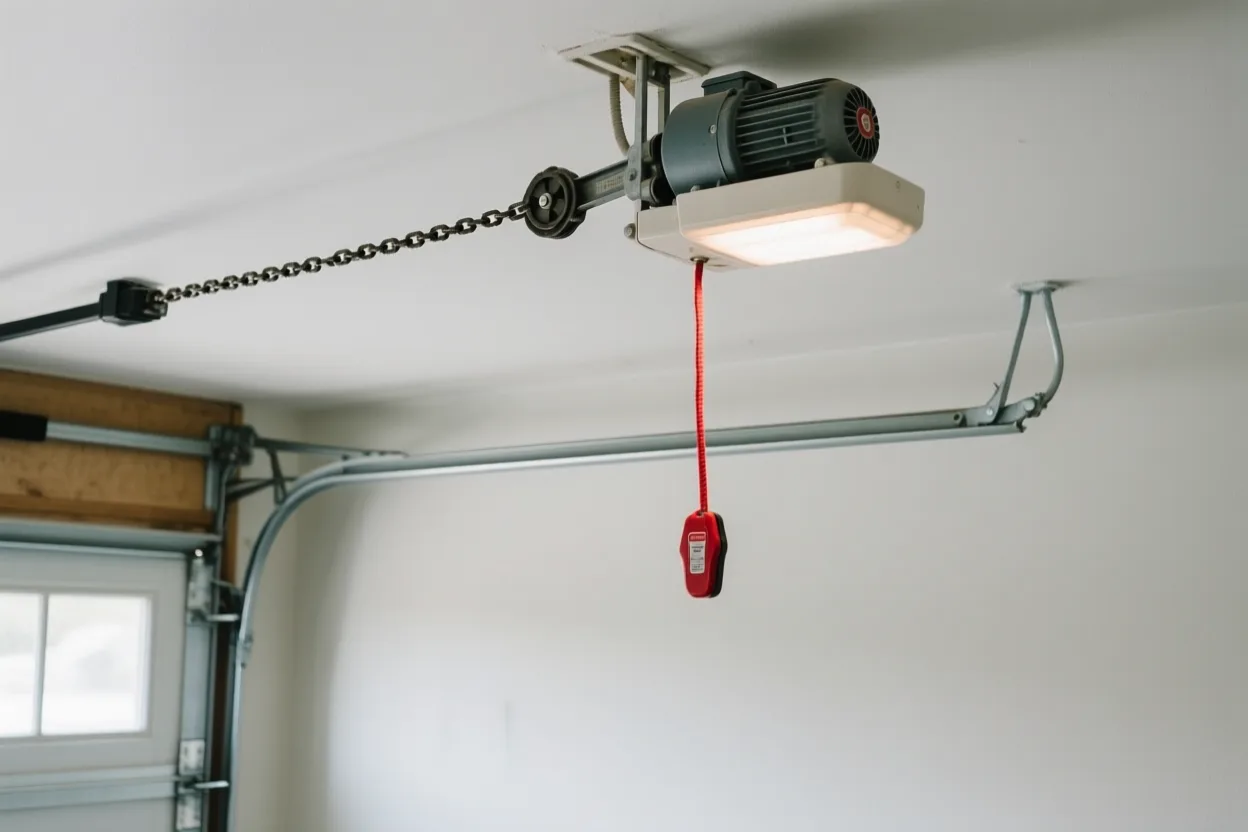
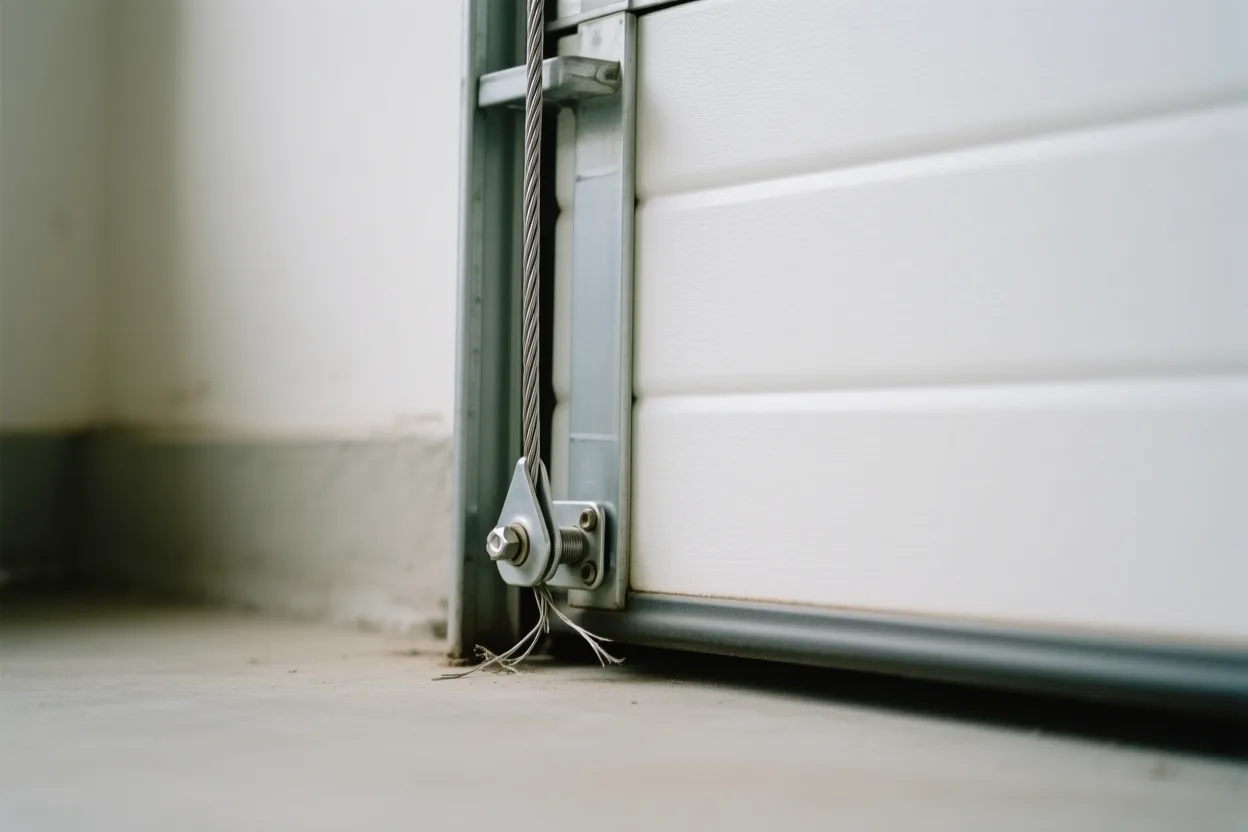
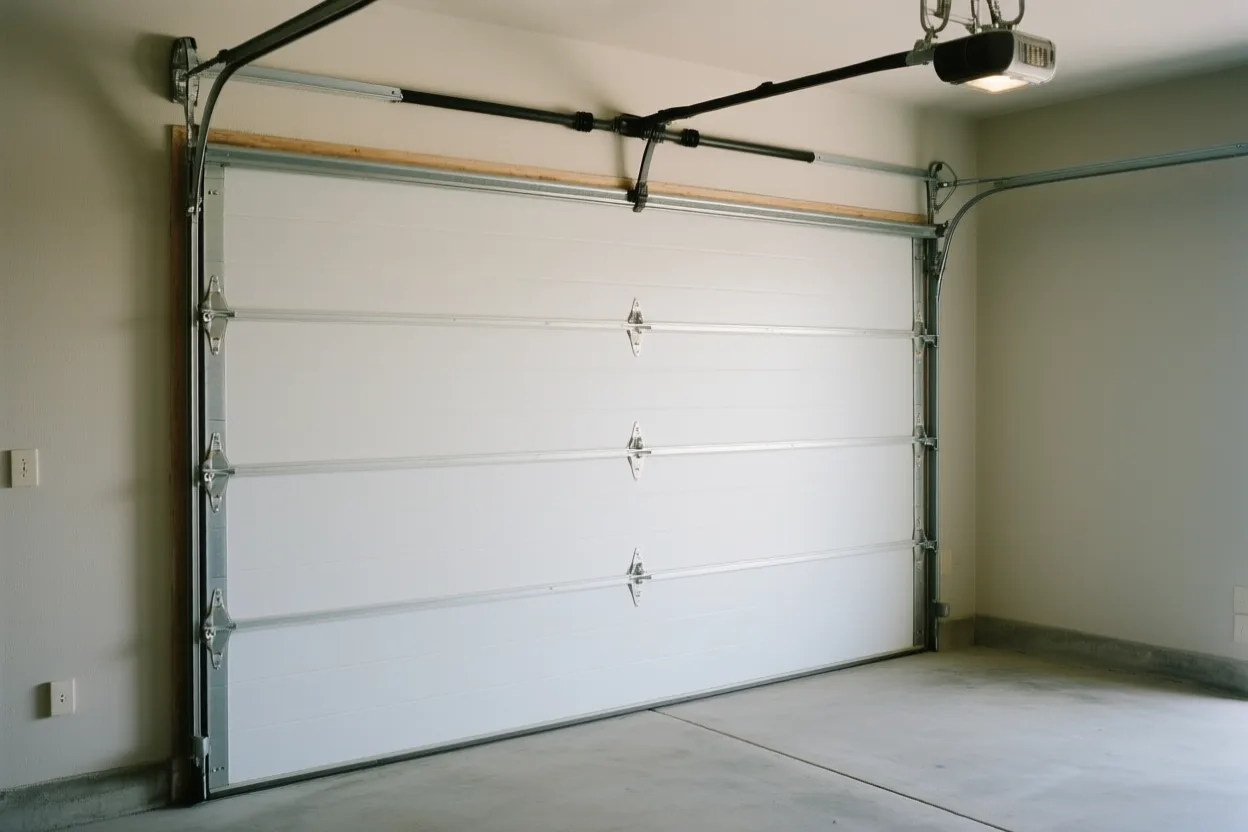
The lift cables are the last thing between a working door and a door in free fall. They run from the bottom brackets on both sides up to the torsion drums, carrying the door's weight every cycle. When one frays and snaps, the door does not stop politely; it jams crooked, hangs on one cable, or comes down hard.
How a cable problem shows
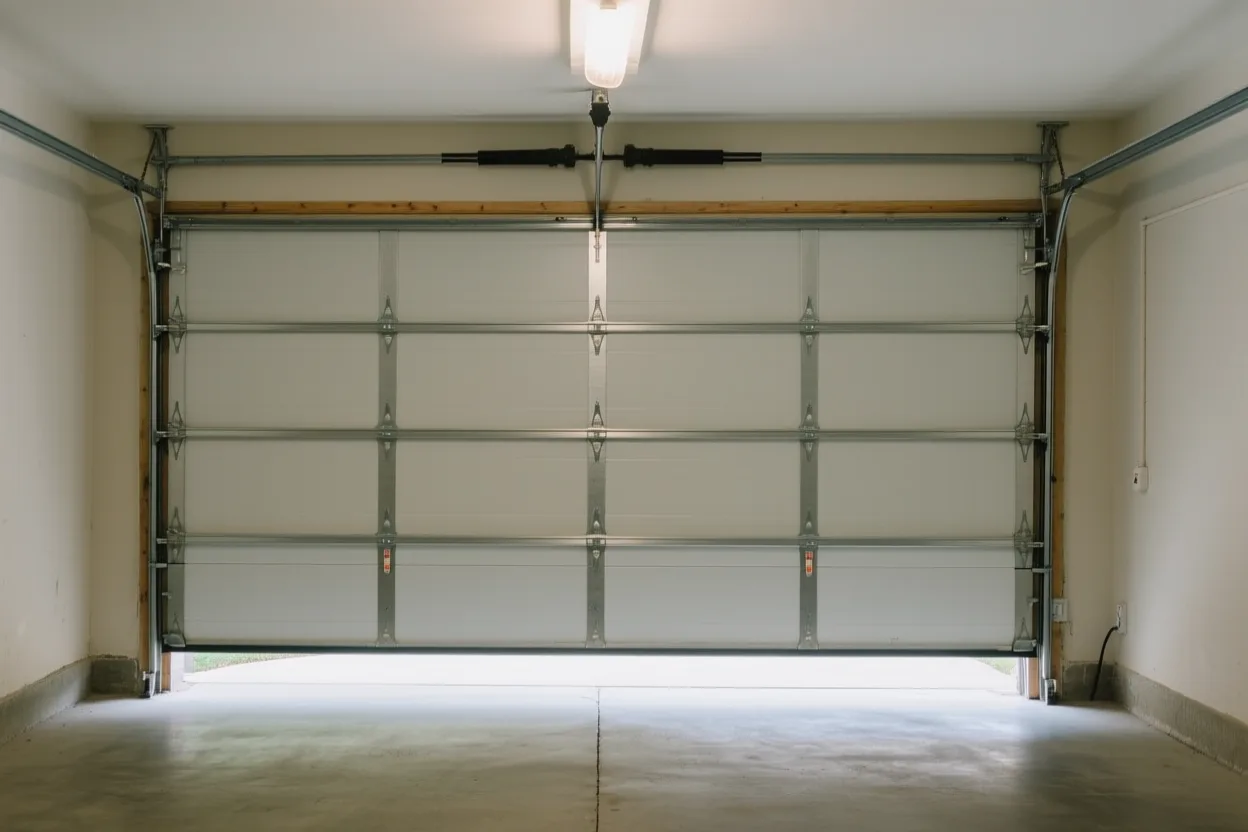
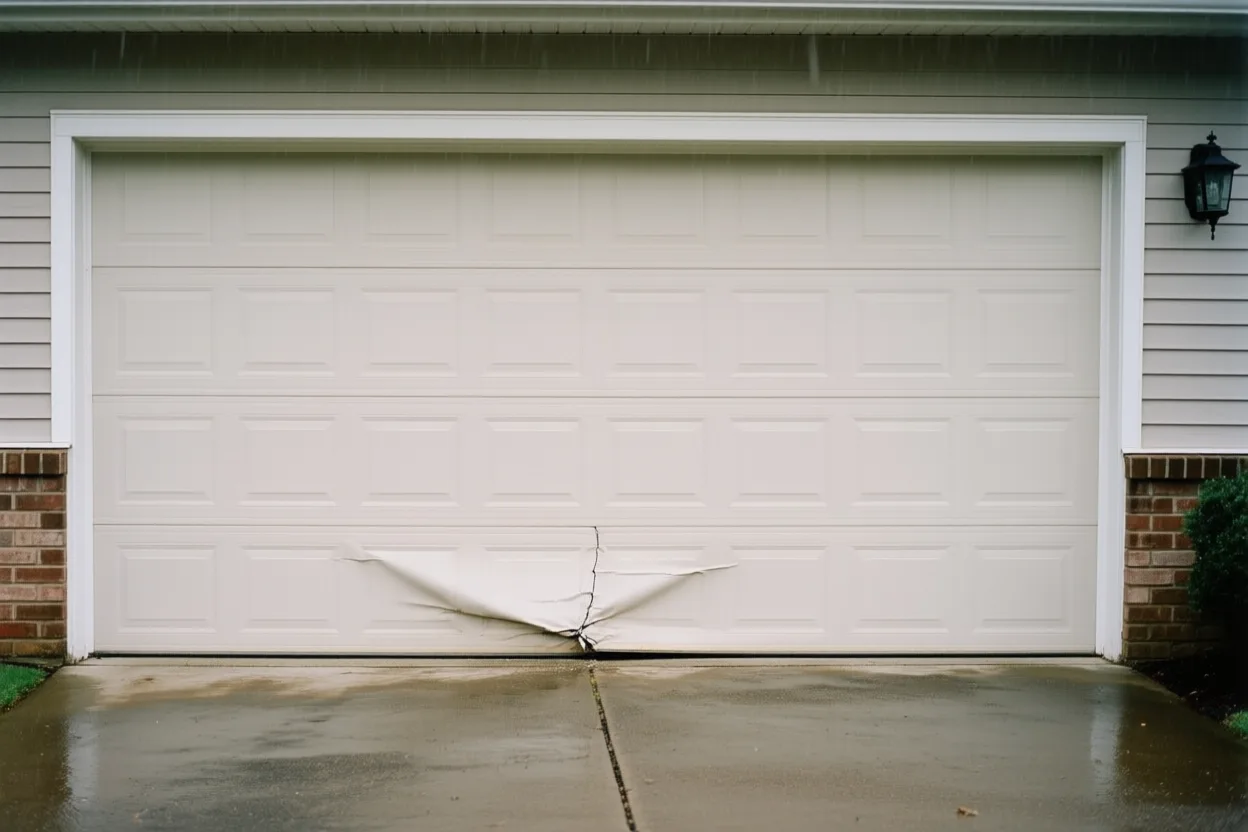
The door hangs visibly crooked, one side higher than the other
The door stopped partway and will not move either direction
A cable lying loose on the garage floor, or visibly frayed strands along the bottom
The door went down fast and crooked, which is a cable that let go on the way
Why it cannot wait
A door running on one good cable is a door one failure from dropping. The remaining cable carries double the load it was built for and the crooked travel grinds the rollers against the track. Every open and close makes the next failure more likely and the repair bigger. This one does not get better on its own.
Why cables fail here
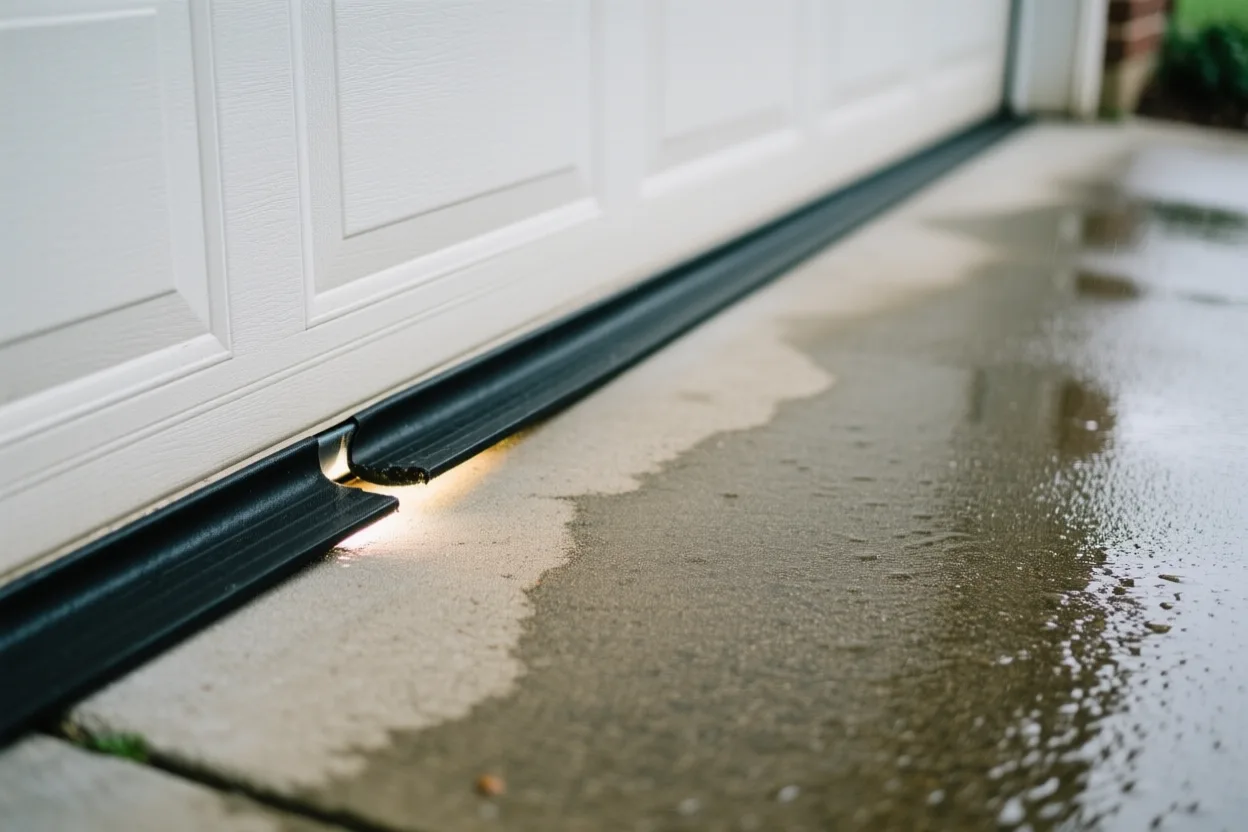
Rust is the slow killer, and our wet winters feed it. Cables that run through a damp garage floor puddle or live under a leaking garage door seal corrode at the bottom end first. The other cause is wear at the drum and sheave points, where the cable rubs on the same spot every cycle for a decade.
What the repair involves
Both cables usually get replaced as a pair, because a cable that snapped means the other has the same wear at the same age. The door gets blocked or held while the cables come off, new ones get run and tensioned evenly, and the door gets tested through full travel. A door that does not sit level after a cable job is not done.