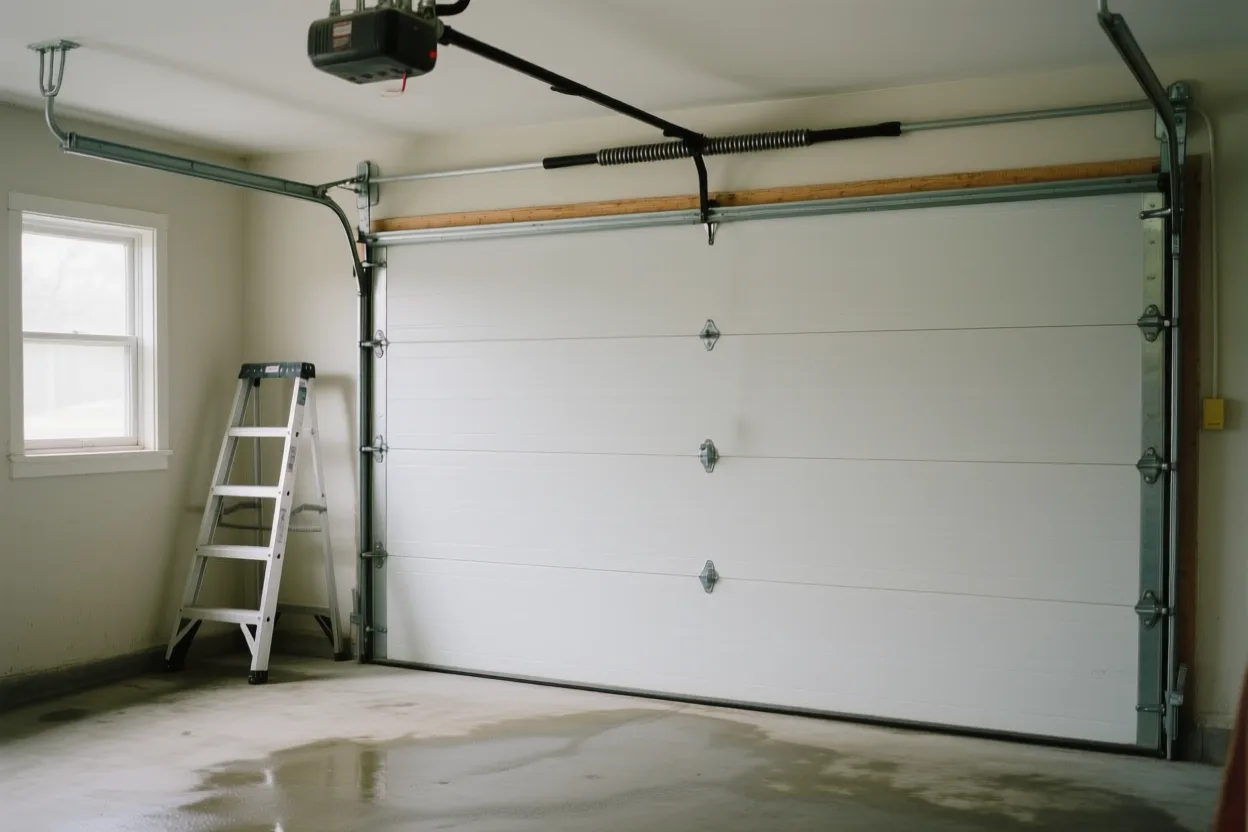
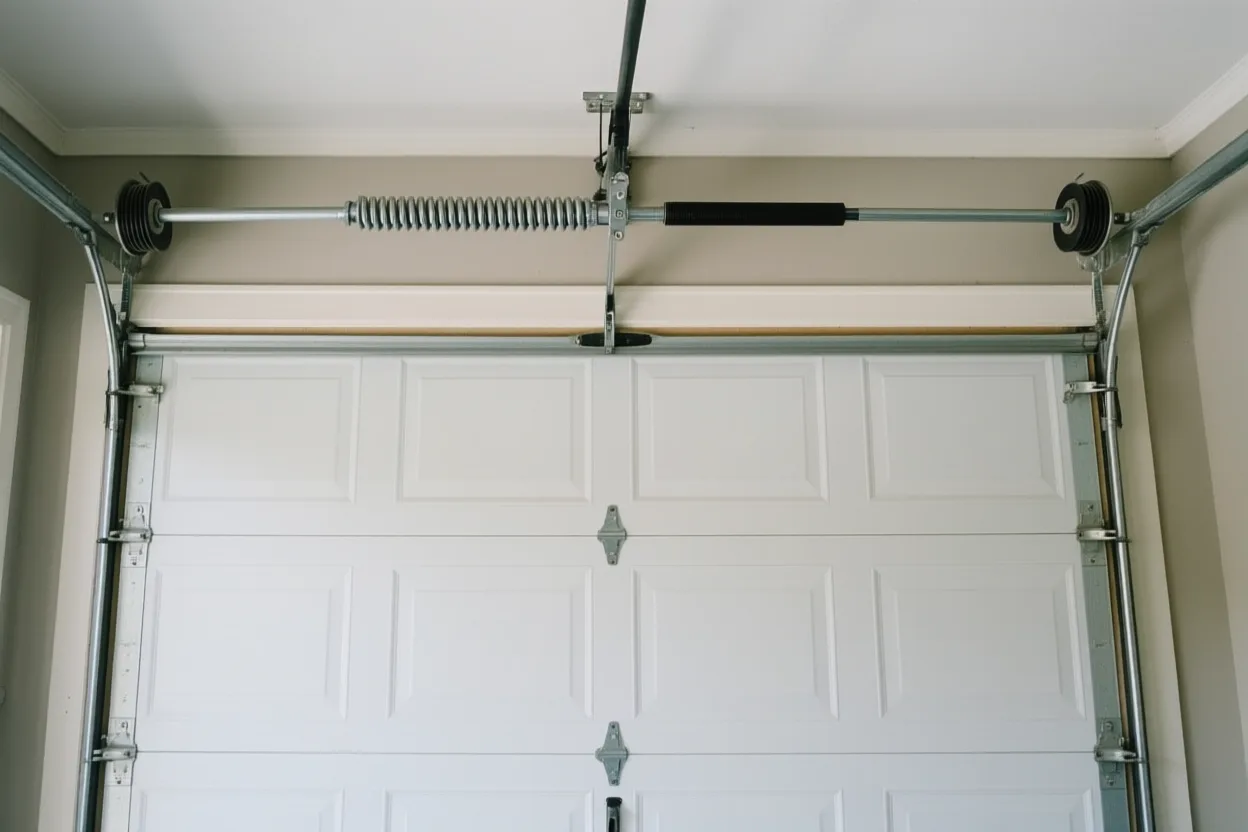
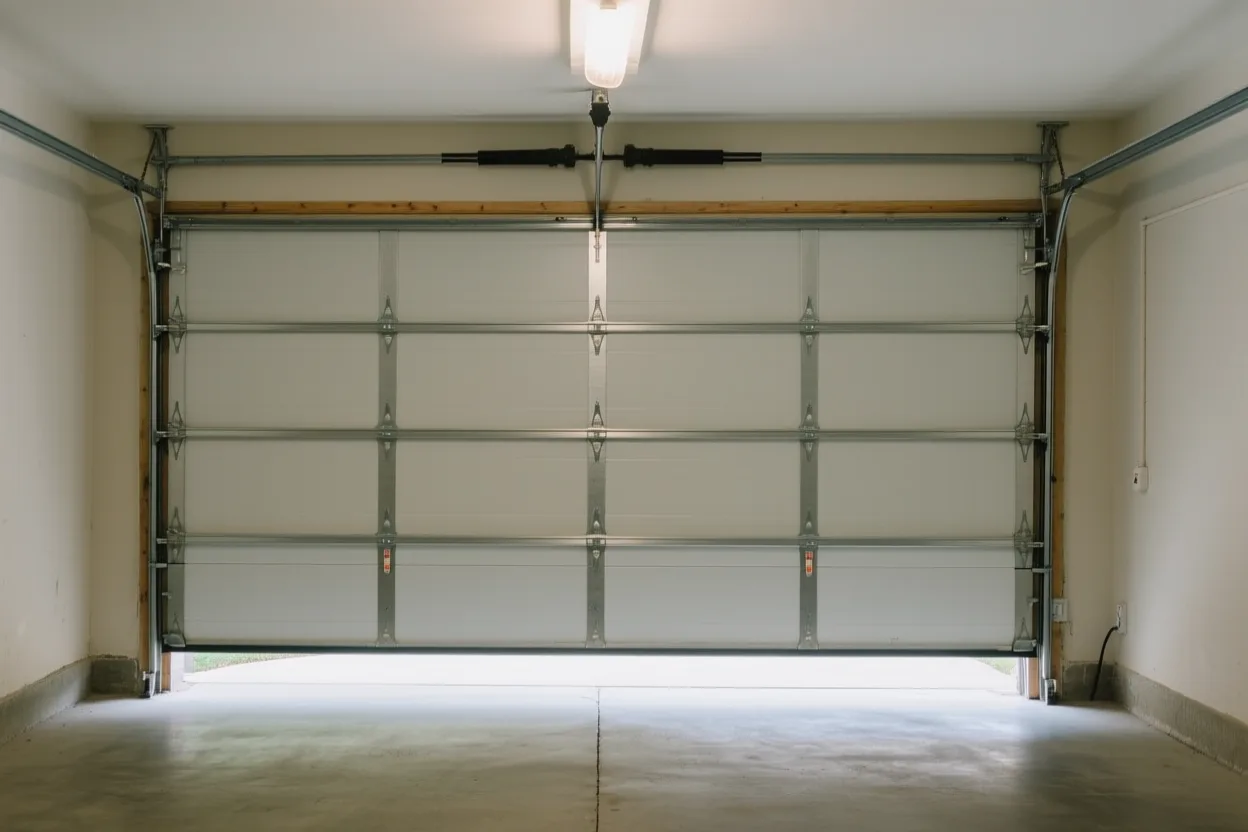
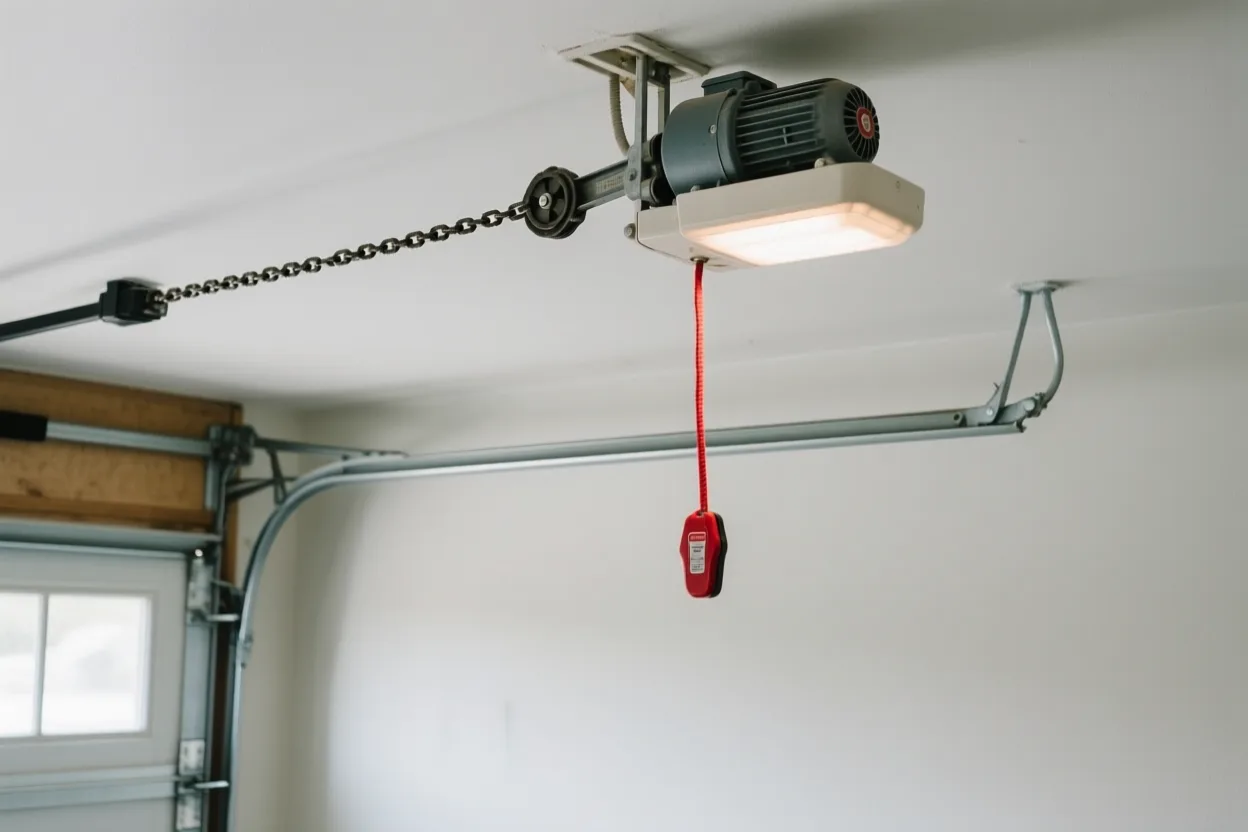
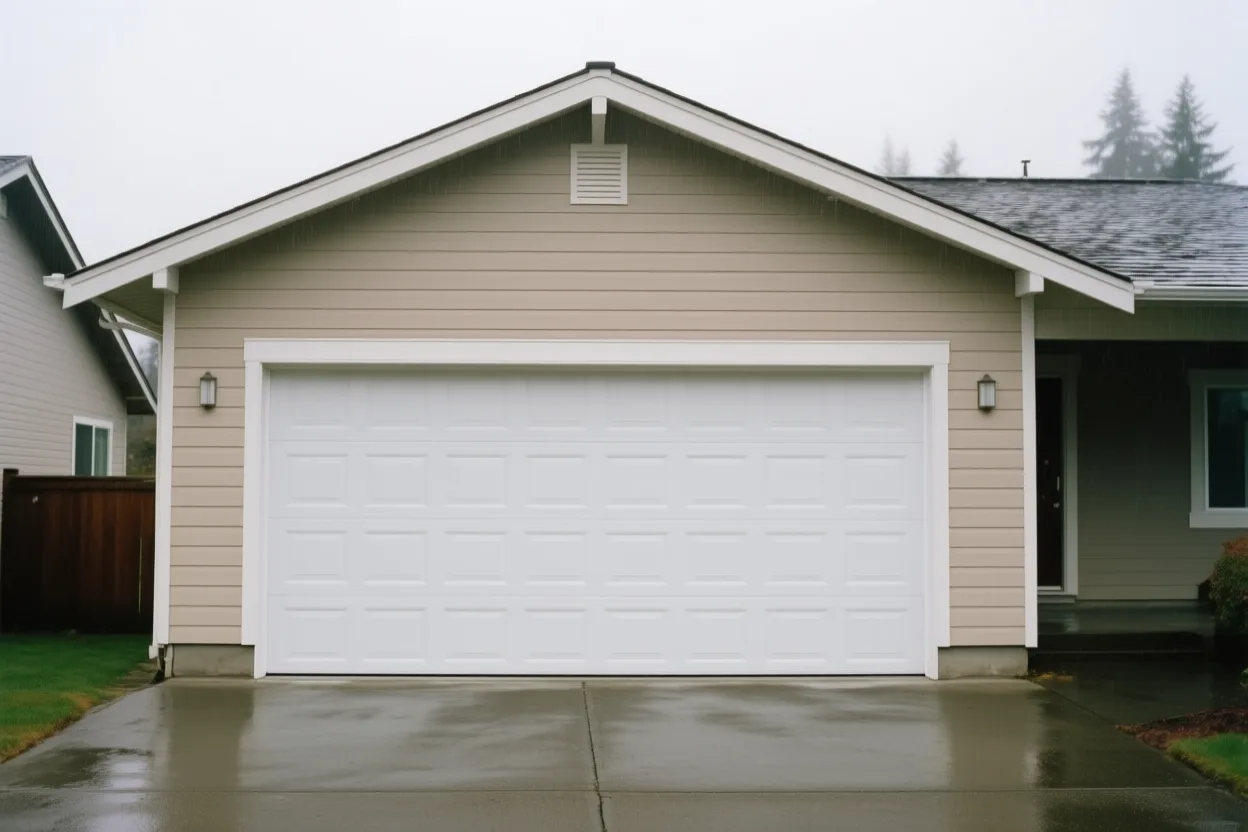
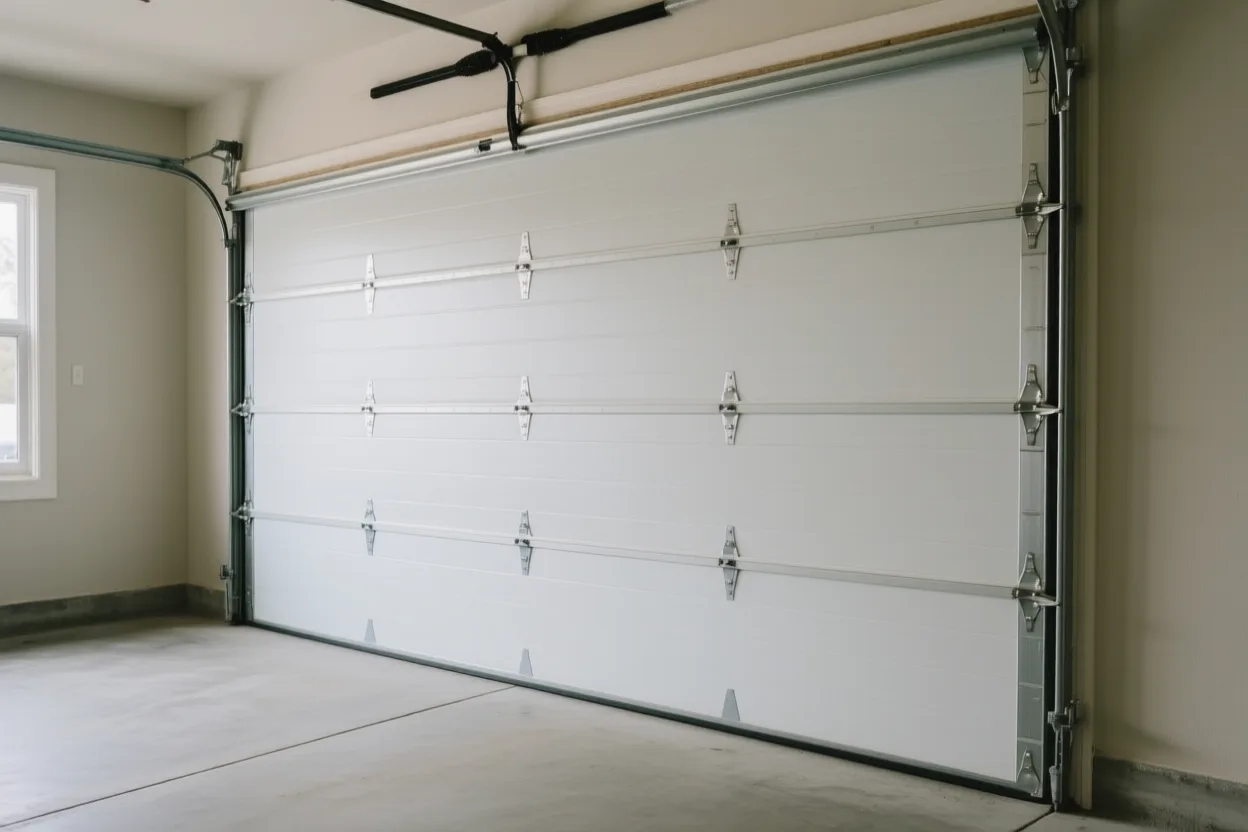
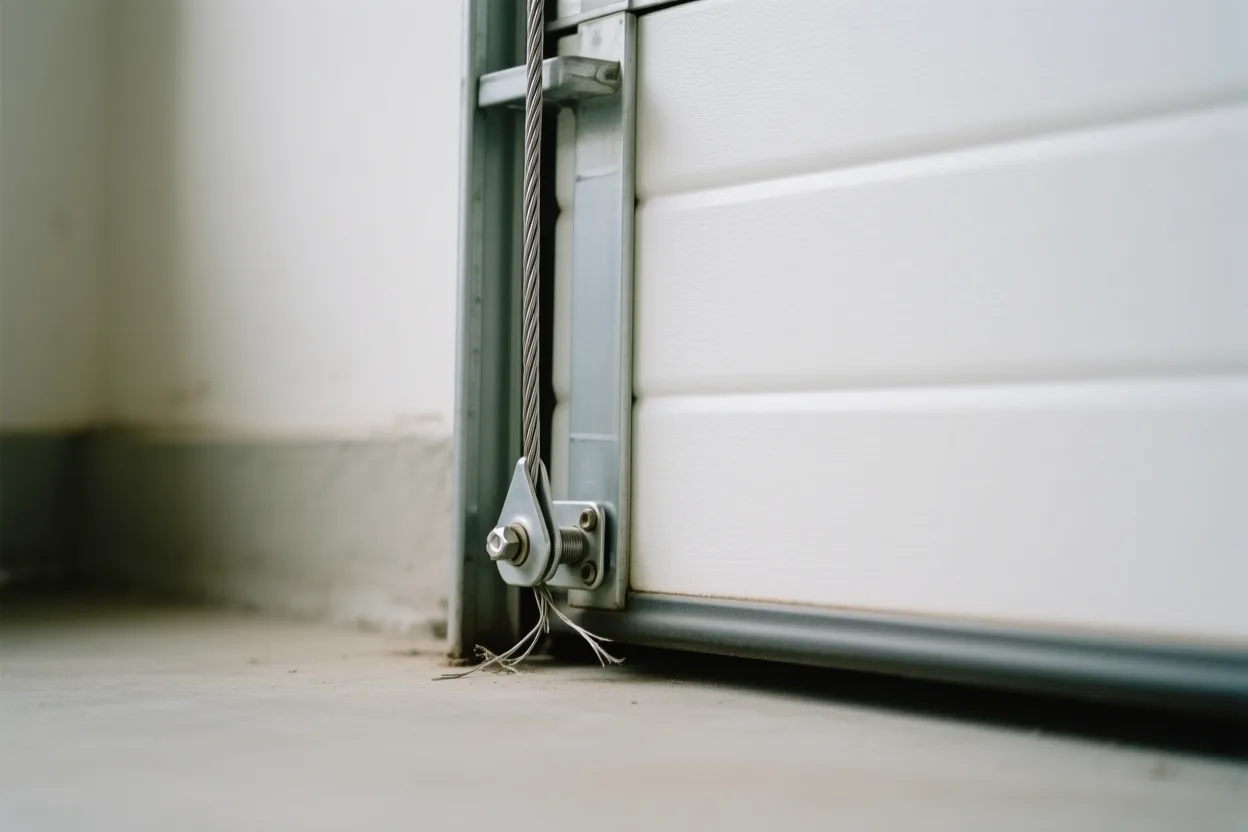
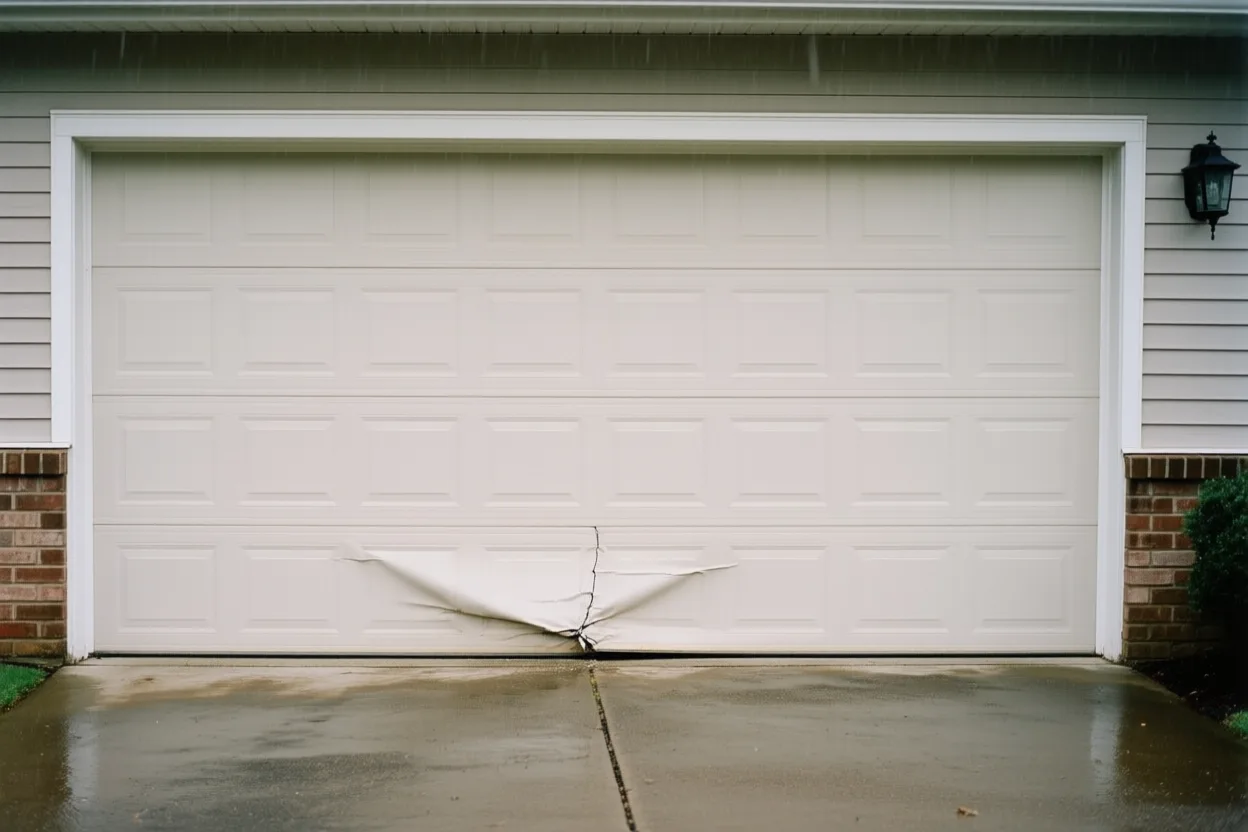
A broken commercial door is not a homeowner inconvenience, it is a loading dock blocked, inventory exposed, or a workday stalled. The companies covering commercial work here handle the bigger hardware and the higher stakes: sectional overhead doors, rolling steel curtain doors, high-cycle operators, and the dock equipment that goes with them.
What commercial work covers
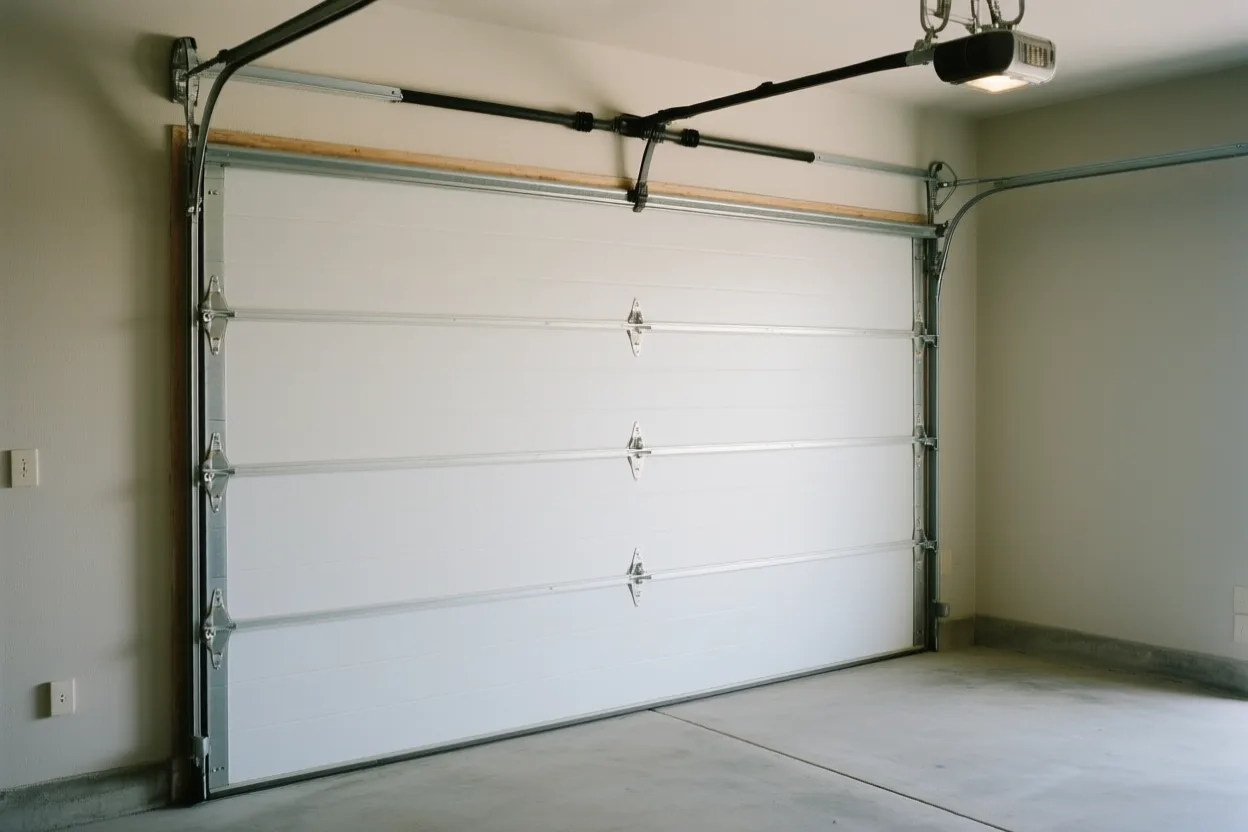
Sectional overhead doors, the paneled doors on shops, warehouses, and auto facilities
Rolling steel doors, the curtain-slat doors on loading docks, storage, and security applications
High-cycle operators, the heavy-duty openers built for dozens of cycles a day, not the residential handful
Fire-rated doors, the doors that have to close on alarm and stay certified
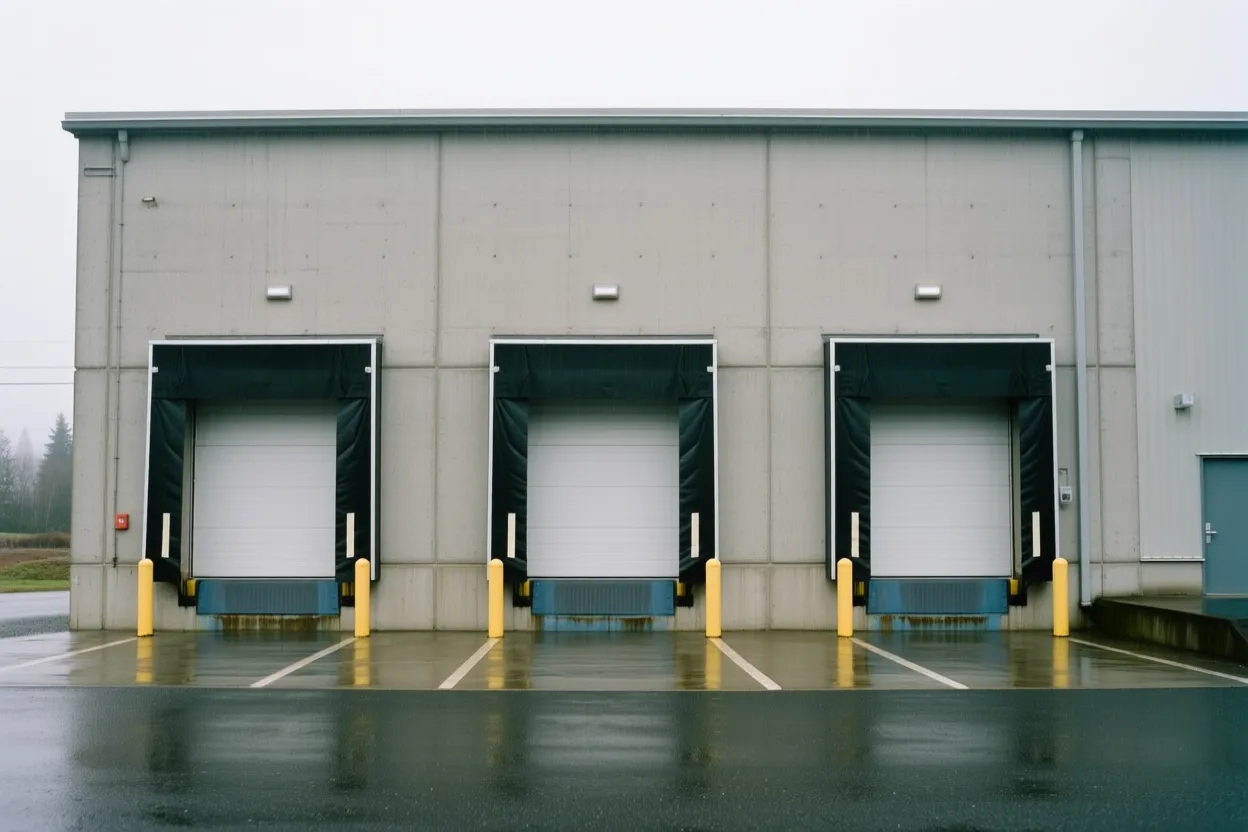
Dock levelers and seals, the adjacent equipment that shares the same service call
The urgency is different
When a warehouse door will not close at the end of the day, the building is not secure and the next shift cannot load. Commercial calls get treated accordingly: the goal is a door that operates or a facility that is secure by end of day, with the permanent fix scheduled on a real timeline. Residential door logic does not apply, and neither does a residential response time.
Preventive maintenance contracts
For facilities running multiple doors or high-cycle operations, reactive repair gets expensive. Scheduled service on springs, operators, and safety devices catches wear before it stops a dock, and it is how facilities managers stop firefighting door failures at the worst possible times.
What the visit looks like
Diagnose the door and operator, identify whether it is a hardware failure, an operator problem, or a safety device fault, and give a real repair timeline. Most common commercial parts are on the truck; specialty operators and fire door components sometimes need sourcing, and the quote should say so clearly.